Commercial excavation services are vital for the preparation of any commercial construction project. Commercial excavation companies handle a range of tasks to make the site ready for the next phase of construction. From land clearing to utility installation, these services are needed for meeting project timelines and having a solid foundation for building.
Site Preparation and Land Clearing
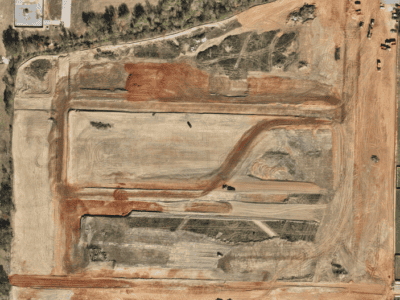
Site preparation is one of the first and most important tasks in commercial excavation services. It involves clearing vegetation, debris, and any existing structures to create a safe, level surface for construction. This process may also include grading for proper drainage, preventing water accumulation that could hinder the project’s progress.
Land clearing also sees to it that any hazardous materials or unstable soil are addressed early on. This helps avoid delays down the line and leads to a more stable environment for the building’s foundation. Commercial excavation contractors use advanced machinery for this work to be done quickly and efficiently.
Grading and Leveling
Grading is integral for providing a stable base for construction projects. This process involves leveling the ground to create a uniform surface and secure the building’s foundation. A well-graded site reduces the risk of foundation issues such as uneven settling, which can lead to structural damage over time.
Excavation companies often use laser grading systems for precise measurements of slopes and elevations. Proper grading also helps control water flow around the site, directing it away from the structure to minimize the risk of flooding or erosion.
Excavating Trenches for Utilities
Excavating trenches for utilities is an integral part of commercial excavation services. Contractors dig trenches for the installation of water lines, electrical systems, gas lines, and other underground utilities that are vital for the building’s functionality. Proper excavation makes sure that these lines are laid at the correct depth and slope to prevent future issues.
In addition to trench excavation, contractors must carefully manage soil conditions and avoid disturbing existing systems. This is especially important in urban or industrial settings where other utilities are already in place, requiring excavation contractors to navigate tight spaces and avoid damage.
Foundation Excavation
Foundation excavation prepares the ground for pouring concrete and other foundational materials. This process requires precise digging to the required depth and width, taking into account the building’s design specifications. Foundation excavation must be done with care to avoid undermining the structural integrity of the building.
Contractors must also consider the soil’s load-bearing capacity during foundation excavation. This makes the foundation stable and supports the building for many years to come. Properly executed foundation excavation minimizes the risk of costly foundation repairs in the future.
Soil Compaction and Stabilization
Land clearing also sees to it that any hazardous materials or unstable soil are addressed early on. This helps avoid delays down the line and leads to a more stable environment for the building’s foundation. Commercial excavation contractors use advanced machinery for this work to be done quickly and efficiently.
Soil compaction is a significant step in commercial excavation. The soil must be compacted so that it is dense and stable enough to support the building’s structure. Excavation contractors often use compaction equipment to compact the soil before construction begins, reducing the risk of settlement and uneven shifting over time.
Soil stabilization is sometimes necessary for sites with poor soil conditions. This process involves adding stabilizing agents such as lime or cement to the soil to increase its strength and load-bearing capabilities. Proper compaction and stabilization contribute to the overall longevity and safety of the structure.
Excavation for Stormwater Management
Site preparation is one of the first and most important tasks in commercial excavation services. It involves clearing vegetation, debris, and any existing structures to create a safe, level surface for construction. This process may also include grading for proper drainage, preventing water accumulation that could hinder the project’s progress.
Excavation services are also used to prepare for stormwater management systems on commercial properties. Excavating retention ponds, drainage ditches, and swales is required for preventing flooding and water damage. These systems control the flow of rainwater, directing it safely away from the building’s foundation and surrounding areas.
Proper stormwater management excavation helps prevent erosion and reduces the environmental impact of the construction site. Excavation contractors must check that these systems are designed and installed correctly to comply with local regulations and prevent future water-related issues.
Concrete and Asphalt Removal
Site preparation is one of the first and most important tasks in commercial excavation services. It involves clearing vegetation, debris, and any existing structures to create a safe, level surface for construction. This process may also include grading for proper drainage, preventing water accumulation that could hinder the project’s progress.
When working on redevelopment or renovation projects, excavation companies often handle concrete and asphalt removal. This process involves breaking up and removing old concrete, asphalt, or pavement to make way for new construction or landscaping. Specialized equipment is used to efficiently remove these materials, clearing the site for new development.
Concrete and asphalt removal may also include recycling the materials for reuse. Many excavation contractors now work with recycling facilities to repurpose these materials, reducing waste and promoting sustainability. This practice is particularly beneficial in urban settings where materials can be used in new construction projects.
Demolition Excavation
Site preparation is one of the first and most important tasks in commercial excavation services. It involves clearing vegetation, debris, and any existing structures to create a safe, level surface for construction. This process may also include grading for proper drainage, preventing water accumulation that could hinder the project’s progress.
Demolition excavation services are often required when existing structures need to be removed before new construction can begin. This includes the removal of buildings, walls, foundations, and other structures that may be in the way. Excavation contractors use heavy machinery to carefully dismantle and remove these structures while minimizing the impact on the surrounding area.
Demolition excavation requires a high level of skill and planning, especially in sites with limited space or surrounding structures. Contractors must take precautions to prevent damage to adjacent properties and utilities, allowing the demolition process to go smoothly without causing unnecessary delays or safety hazards.
Material Hauling and Disposal
Site preparation is one of the first and most important tasks in commercial excavation services. It involves clearing vegetation, debris, and any existing structures to create a safe, level surface for construction. This process may also include grading for proper drainage, preventing water accumulation that could hinder the project’s progress.
Excavation services also include hauling away debris and waste materials from the site. Excavation companies use specialized trucks and equipment to transport materials such as soil, rocks, and construction debris to designated disposal sites. Proper disposal is necessary to comply with local regulations and keep the site safe and clean.
Excavation contractors often work with local waste management facilities so that all materials are disposed of in an environmentally responsible manner. This includes recycling materials whenever possible, helping to reduce the amount of waste sent to landfills and promoting sustainability in construction projects.
Expertise in OSHA and MSHA Compliance
Excavation contractors must adhere to safety standards and regulations such as those outlined by OSHA and MSHA. These guidelines are needed for protecting workers on excavation sites and maintaining the safe operation of heavy machinery. Excavation companies must facilitate proper training and give safety equipment to their workers to meet these strict standards.
Working with experienced commercial excavation companies sees to it that your project complies with safety regulations from start to finish. Contractors who are well-versed in OSHA and MSHA standards are equipped to handle complex excavation tasks while maintaining a safe environment for all workers involved.
Excavation Services from Ground Zero Construction
At Ground Zero Construction, we specialize in commercial excavation services to meet the unique needs of every project. Our experienced team handles everything from site preparation and grading to stormwater management and utility installation. With over 26 years of experience in earthwork, site development, concrete, and asphalt services, we are committed to delivering quality and efficiency on every project.
For more information about our excavation services, contact us today. Our dedicated team is ready to assist you with all your excavation needs, providing quick, reliable, and professional services for your commercial projects.
Related Blogs
Lorem Ipsum is simply dummy text of the printing and typesetting industry.
Types Of Underground Utilities And How They Impact Site Planning
Buried infrastructure serves as the unseen framework of every successful construction site and influences the…
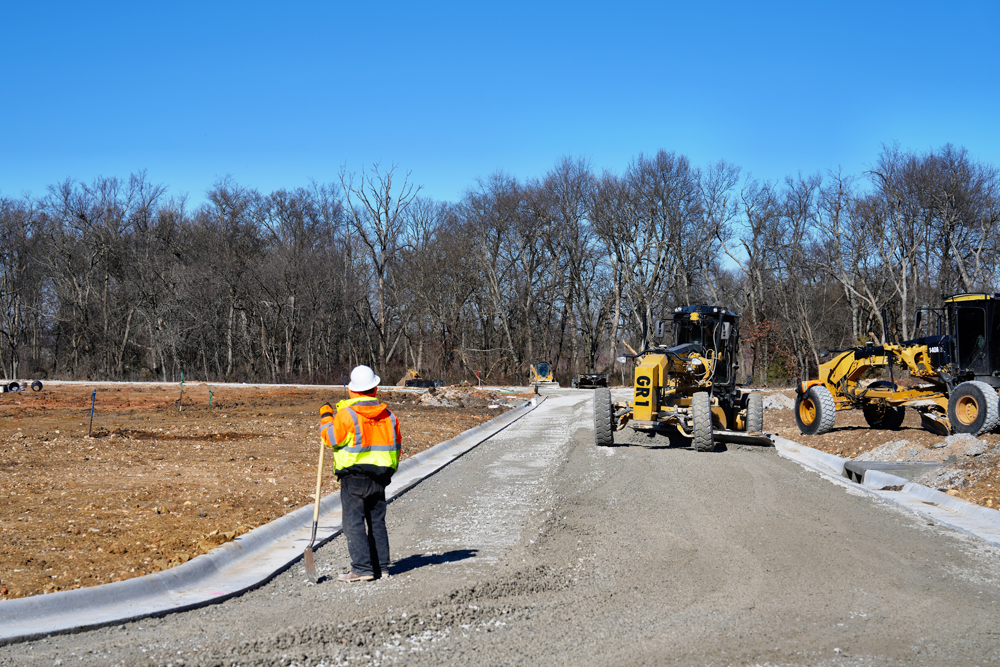
Pavement Vs. Sidewalk: Understanding Their Roles And Uses
A solid surface carries weight and keeps travel paths clear of dirt or mud. Solid…
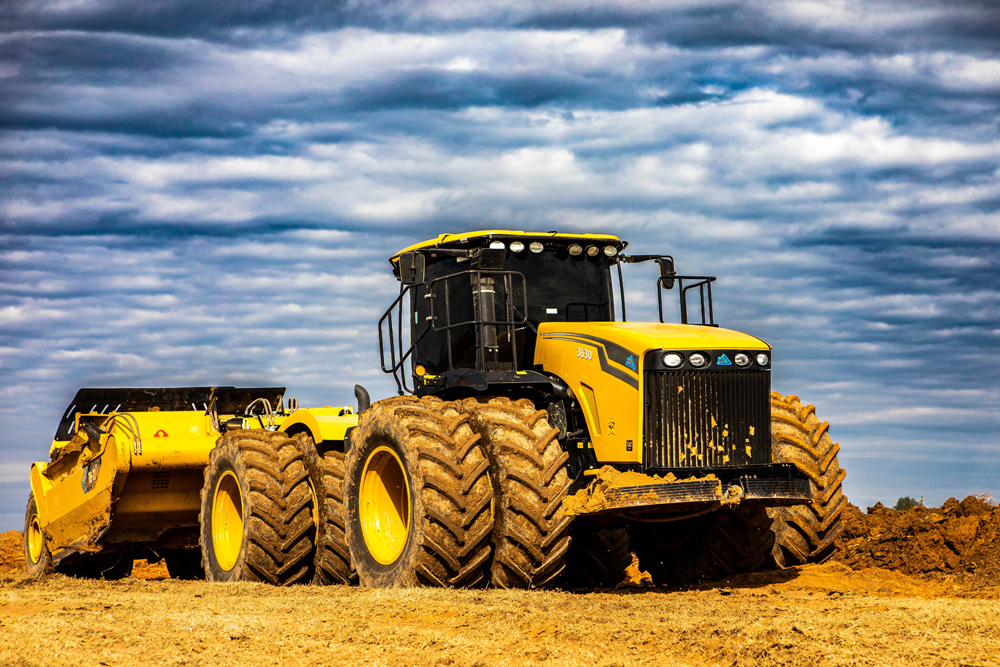
How To Estimate Excavation And Backfill For Commercial Projects
Large construction sites depend on precise earthmoving to remain profitable and safe. Accurate calculations determine…
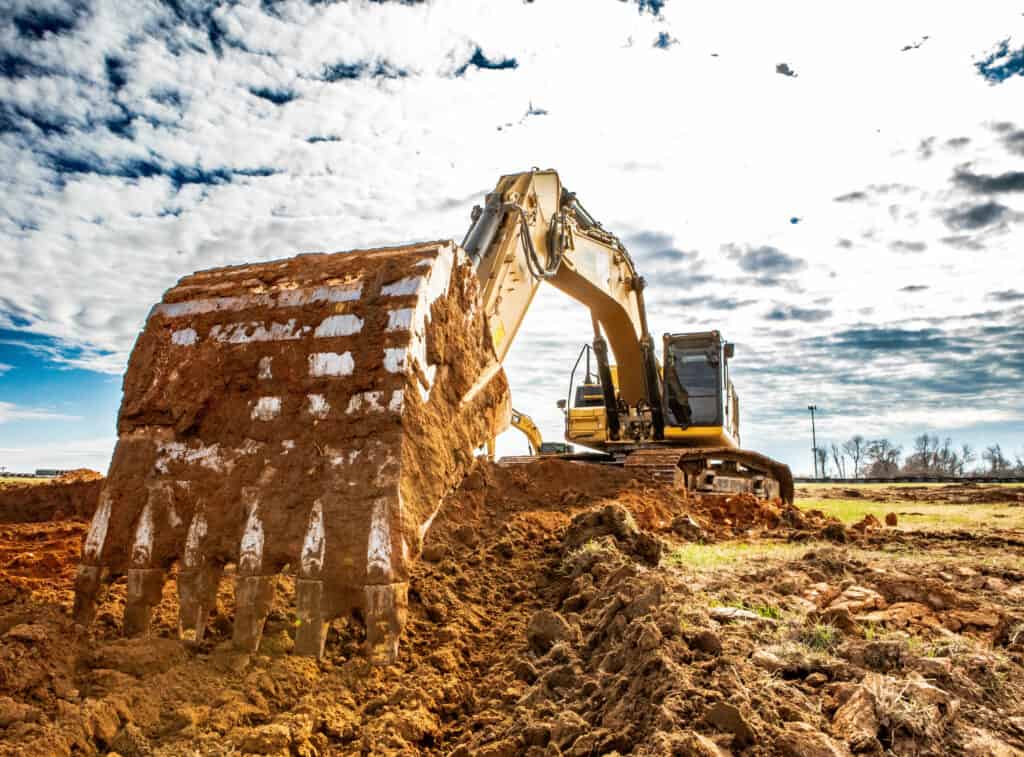
Earthwork Vs. Site Services: Which Does Your Project Need?
When planning any construction project, one of the first decisions you’ll face is whether your…

How Deep Should A Manhole Be?
Most people walk or drive over the heavy metal lids in our roads and sidewalks…

How Wide Should A Sidewalk Be? Standard Measurements Explained
Most pedestrians do not spend their time thinking about the engineering behind a pavement, but…
 9 Most Popular Foundation Types In Construction
Leave a Reply