A solid surface carries weight and keeps travel paths clear of dirt or mud. Solid materials like asphalt and concrete change how a property works for everyone. The debate over pavement vs. sidewalk focuses on specific weight limits and the intended path of movement.
Proper planning keeps feet on smooth paths and heavy trucks on thick stone layers. High-quality builds stop water from pooling and keep surfaces flat for many years.
We build the foundations that support local growth through hard work and grit. Our team at Ground Zero Construction, Inc offers top skills as Arkansas commercial builders to finish every job fast.
Primary Functions of Paved Surfaces in Modern Infrastructure
Roadways carry heavy commercial vehicles throughout the city, while sidewalks guide pedestrians safely away from traffic. Engineers design these surfaces to withstand heat, rainfall, and repeated use over many years. Effective drainage systems prevent standing water that can weaken base layers. Compacted rock foundations distribute weight evenly across the soil beneath.
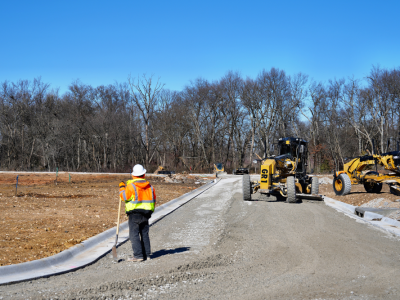
Professional grading teams apply accurate techniques to produce level, weather-resistant surfaces that handle daily demand. Clear planning around a pavement vs. sidewalk protects both vehicles and pedestrians through defined structural roles.
Material Choices for Durable Driveways and Pedestrian Paths
Concrete creates a firm walking surface, while asphalt performs well for extended roadways and parking areas. Builders combine aggregates with binding agents to form hardened layers capable of supporting traffic.
Each material responds differently to temperature shifts, so climate and expected load determine the correct choice. Strong internal bonding prevents cracking during hot summers or freezing winters.
Skilled paving professionals select high-grade materials that maintain smooth performance for decades. Material selection plays a central role when evaluating a pavement vs. sidewalk for commercial development.
Safety Standards for Walking Paths and Vehicular Zones
Painted striping and clear markings separate vehicles from foot traffic. Sloped curb transitions create smooth access between streets and pedestrian areas. Textured warning strips signal elevation changes and reduce the risk of slips or trips.
Adequate lighting defines boundaries after dark and improves overall visibility. Safety planning integrates strict construction codes and thoughtful layout design to create secure travel zones for all users.
Structural Load Capacities for Pavements versus Sidewalks
Asphalt roadways contain thicker structural sections to handle delivery trucks and commercial fleets. Sidewalks require less depth because they support lighter pedestrian loads. Subgrade preparation determines long-term durability and resistance to cracking.
Engineers calculate base thickness according to projected traffic demands. Soil density testing supports reliable design decisions. Understanding the difference in structural requirements clarifies the contrast between a pavement vs. sidewalk in commercial settings.
Long-Term Value of Quality Pavement and Sidewalks
Strong initial construction reduces the need for repeated repairs or premature replacement. Durable materials resist weed growth and limit pothole formation that can damage vehicles. Clean, even surfaces enhance property appearance and reflect professional standards.
Well-built pathways maintain consistent performance despite seasonal rain and temperature variation. Reliable infrastructure supports smooth movement and lasting value for property owners.
Call Ground Zero Construction, Inc to Start Your Project Today
We handle every step of the process, including earthwork and utilities, to prepare your land for a successful build. Our crew brings 26 years of experience to every job site to offer concrete and asphalt services in Arkansas with speed.
Ground Zero Construction, Inc finishes tasks fast because we use the best technology to avoid delays and keep the work moving. Our clients speak directly to our top managers to get answers quickly without any confusion from a middleman. As a TERO Certified Arkansas construction firm, we follow all MSHA safety rules to deliver the best results on time.






 How To Estimate Excavation And Backfill For Commercial Projects
Leave a Reply