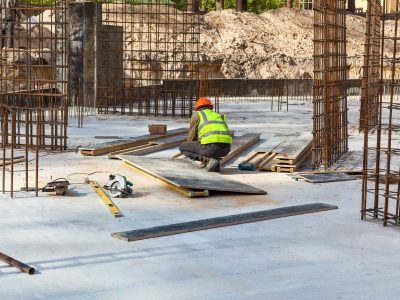
Foundations are one of the most important aspects of construction. They offer stability and support to a building or structure, making sure it stands the test of time. Different foundation types in construction are used depending on the project’s specific needs, including the soil type, load requirements, and climate conditions.
Here are the nine most popular foundation construction types, and how they work in residential, commercial, and industrial projects.
Shallow Foundations: The Basic Solution for Small Structures
Shallow foundations are placed near the surface of the ground and are ideal for small buildings where the soil can handle the load. These types of foundations are widely used because they are cost-effective and easy to install.
For residential homes or smaller commercial structures, shallow foundations are often sufficient, especially when the underlying soil has good bearing capacity.
Shallow foundations distribute the building\’s load across a broad area, which prevents excessive pressure on the soil. The most common form of shallow foundation is the spread footing, which is ideal for supporting walls or columns.
Although these foundations work well in areas with strong, stable soil, they may not be suitable for regions prone to erosion or shifting soils.
In residential construction, shallow foundations are typically poured with concrete to create a solid base. It is important to have the right foundation design for your home, as even minor errors can lead to costly repairs down the line.
Slab-on-Grade: A Simple yet Reliable Choice
This foundation type works best on well-drained, stable soil. The slab is typically reinforced with steel mesh or rebar to increase its durability and prevent cracking over time. Slab-on-grade foundations are also energy-efficient, as they offer a tight seal between the floor and the ground, which can reduce heating and cooling costs.
While slab-on-grade foundations are effective for many types of homes, they are not suitable for areas prone to flooding or expansive soils. They require careful site preparation to make sure there is a stable base for the building.
Basement Foundations: Expanding Living Space Below Ground
Basement foundations are used when there is a need for extra space or when the ground allows for it. This foundation type requires digging down below the frost line to create a space that can be used for storage, living areas, or mechanical systems.
Basements are commonly used in colder climates, as they bring protection from frost heave and other ground movement issues.
One of the advantages of basement foundations is that they can add significant value to a property, as the extra space is usable. However, they can be more expensive and time-consuming to build than other foundation types.
Proper waterproofing is needed to avoid moisture problems, as water can seep into basements and cause structural damage over time.
For homes or commercial buildings in colder climates, a basement foundation is a popular choice because it keeps the building warmer and gives extra space for storage or even additional rooms.
Crawl Space Foundations: A Flexible Option for Many Projects
Crawl space foundations raise a building above the ground, leaving a small gap between the floor and the soil. This space is often used for utilities like plumbing and wiring. Crawl spaces are common in areas with poor soil conditions, where a full basement would be impractical, or where access to utilities is needed.
This type of foundation allows for better ventilation under the house, which helps reduce moisture build-up and the growth of mold. Additionally, crawl spaces make it easier to access and repair plumbing and electrical systems.
While crawl space foundations are more expensive than slab-on-grade foundations, they are typically less expensive than basement foundations.
Crawl spaces are not always the best choice in areas with high moisture levels, as standing water can cause issues with the foundation. Proper drainage and ventilation are key to maintaining the integrity of this foundation type.
Pier and Beam Foundations: Elevating Structures for Stability
Pier and beam foundations are used to lift a structure off the ground using vertical piers or posts and horizontal beams. These foundations are often used for homes in areas prone to flooding or on uneven terrain. The piers are driven deep into the soil, providing support for the beams and, in turn, the structure.
This type of foundation is ideal for homes built on sloped sites or in areas with expansive soils that might shift over time. Pier and beam foundations also allow for easy access to plumbing, electrical systems, and HVAC units, as the space underneath the home remains open.
However, this foundation type may require more maintenance, as the piers and beams can deteriorate over time due to moisture exposure.
Pier and beam foundations are often used in residential construction, especially in flood-prone areas or for homes located on uneven terrain.
Pile Foundations: Deep Support for Heavy Structures
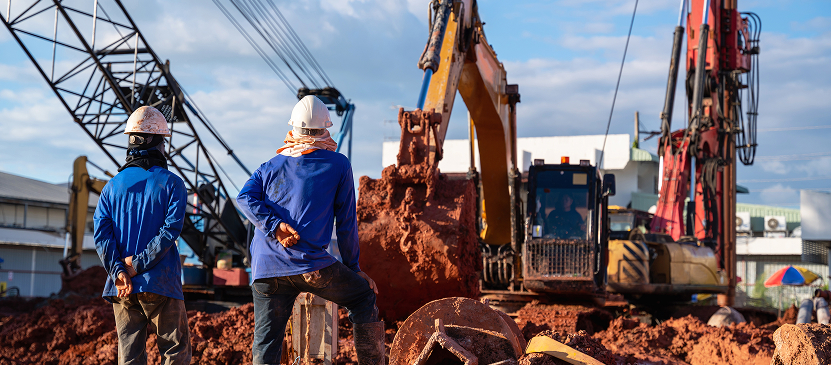
Pile foundations are deep foundations that involve driving long, slender columns (piles) into the ground to reach stable soil layers. These piles are made from materials like wood, steel, or concrete and can support heavy loads.
Pile foundations are commonly used in areas with soft or unstable soil, where a shallow foundation would not offer enough support.
Pile foundations are often used in commercial or industrial construction, where large structures or high-rise buildings need deep, reliable support. They can also be used in marine construction, such as bridges or piers, where the soil is underwater. Pile foundations are highly effective at preventing settlement and guaranteeing the stability of large, heavy structures.
Due to the complexity of installation, pile foundations can be expensive. However, they are necessary for projects where other foundation types would fail to create the required support.
Caisson Foundations: A Robust Solution for Deep Ground Conditions
Caisson foundations are similar to pile foundations but are typically larger and are used in situations where deeper, more stable soil layers are needed.
Caissons are large, watertight structures that are sunk into the ground to offer deep foundation support. This type of foundation is often used in underwater or deep-water construction projects, such as bridges and piers.
Caisson foundations are particularly effective in locations with poor soil conditions, such as areas with expansive or unstable soil. They are designed to resist settlement and deliver excellent support for very heavy structures. However, caissons require specialized equipment and techniques, making them more expensive than other foundation types.
For large commercial projects or structures located near water, caisson foundations are often the best choice due to their ability to handle extreme conditions.
Mat Foundations: A Wide-Spread Solution for Large Buildings
Mat foundations, also known as raft foundations, are large concrete slabs that cover the entire area of the structure. They are used to distribute the weight of the building over a larger area, making them ideal for very heavy or high-rise buildings.
Mat foundations are often used when the soil has poor bearing capacity or when the structure’s load is too heavy for traditional foundations.
These foundations are typically used in high-rise buildings, bridges, or structures that require substantial support. The key advantage of a mat foundation is its ability to spread the load across a wide area, which prevents settlement and reduces the risk of structural damage. However, mat foundations can be costly and complex to install, especially in areas with unstable soil.
Mat foundations are an excellent choice for large commercial projects, where the structure’s weight needs to be evenly distributed across a vast area.
Concrete Slab Foundations: Cost-Effective and Durable
Concrete slab foundations are one of the most common foundation types used in residential construction. A slab of concrete is poured directly onto the ground, providing a flat and stable base for the structure. This foundation type is simple to construct, making it an affordable choice for smaller homes or buildings.
Concrete slab foundations are particularly well-suited for warmer climates, as they do not need to account for frost heave or other weather-related issues. They are also more resistant to termites and other pests compared to other foundation types. However, they are less effective in areas with expansive soils or high moisture levels, as cracking can occur over time.
This foundation type is perfect for projects where budget and time constraints are important factors. Many small residential projects or commercial buildings benefit from using concrete slab foundations.
Concrete Slab Foundations: Cost-Effective and Durable
When it comes to site development, Ground Zero Construction offers the expertise and technology to handle all your foundation needs. We focus on providing the best possible results with limited delays for the swift completion of your projects. Our utility construction services and concrete & asphalt services are designed to support a wide range of construction projects.
If you are planning a new construction, contact us to learn more about how our site development services can support your project.
Related Blogs
Lorem Ipsum is simply dummy text of the printing and typesetting industry.
Types Of Underground Utilities And How They Impact Site Planning
Buried infrastructure serves as the unseen framework of every successful construction site and influences the…
Pavement Vs. Sidewalk: Understanding Their Roles And Uses
A solid surface carries weight and keeps travel paths clear of dirt or mud. Solid…
How To Estimate Excavation And Backfill For Commercial Projects
Large construction sites depend on precise earthmoving to remain profitable and safe. Accurate calculations determine…
Earthwork Vs. Site Services: Which Does Your Project Need?
When planning any construction project, one of the first decisions you’ll face is whether your…

How Deep Should A Manhole Be?
Most people walk or drive over the heavy metal lids in our roads and sidewalks…

How Wide Should A Sidewalk Be? Standard Measurements Explained
Most pedestrians do not spend their time thinking about the engineering behind a pavement, but…
 Commercial Vs. Residential Excavation: Key Differences Every Developer Should Know
Leave a Reply