Excavation is a fundamental part of construction that requires careful planning and execution. For developers, distinguishing between excavation in residential and commercial excavation projects is important.
Residential excavation involves smaller, less complex tasks, while commercial excavation demands heavy-duty equipment and advanced planning. Understanding the differences between these two types of excavation can help streamline the construction process, mitigate risks, and see to it that projects are completed efficiently.
The Scope of Residential Excavation
Residential excavation projects typically focus on smaller-scale construction sites, such as single-family homes or small commercial spaces.
These projects involve tasks such as digging foundations, trenching for utilities, or site preparation for landscaping. The scope is often limited to the specific needs of a property owner and can usually be completed with a smaller crew and less equipment.
Residential excavation contractors near me are typically able to use compact equipment like mini-excavators and skid-steer loaders for tasks that require precise and careful handling.
These projects also tend to have fewer regulatory requirements, making them easier to manage from a logistical perspective. The focus here is on simplicity and efficiency to meet the needs of homeowners or small business owners.
Commercial Excavation: A Bigger Challenge
On the other hand, commercial excavation projects involve much larger and more complex tasks. These projects include site development for commercial buildings, large residential complexes, or industrial facilities.
Excavation for these projects often involves digging extensive foundations, creating large trenches for utilities, and even reshaping the land for parking structures or infrastructure needs.
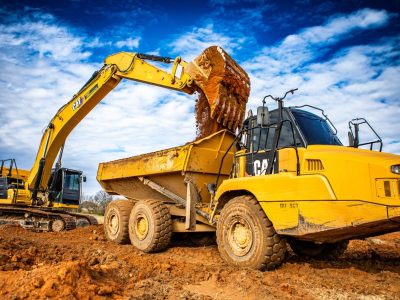
Due to the larger scale, commercial excavation requires larger, more powerful equipment such as bulldozers and massive excavators. The complexity also means dealing with multiple stakeholders, including engineers, city planners, and large teams of contractors.
Furthermore, commercial projects are subject to more stringent regulatory requirements, making sure that the work meets safety standards and zoning laws.
Equipment and Machinery Differences
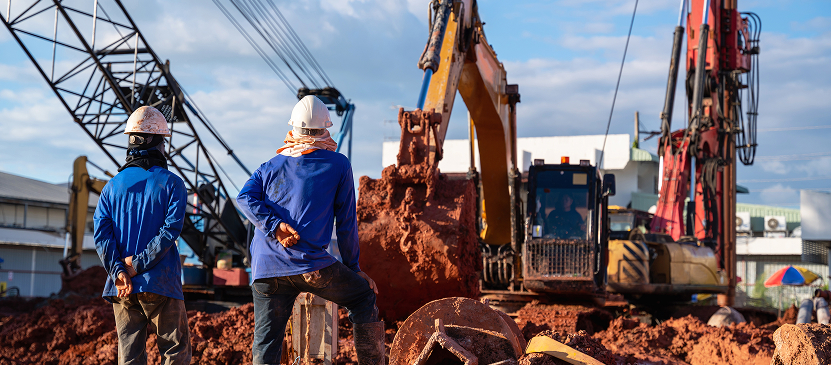
The equipment used in excavation for residential projects is typically smaller and more versatile. Mini-excavators, skid-steer loaders, and backhoes are the primary machines used, as they are ideal for digging tight spaces, working in residential neighborhoods, and carrying out precise work.
The machinery is often easier to transport and operate, making it suitable for smaller-scale work that does not require heavy-duty machinery.
In contrast, commercial excavation projects necessitate heavy-duty equipment such as large excavators, bulldozers, and backhoes. These machines are designed for larger volumes of earth removal and are capable of handling tough terrains.
Larger projects also involve the use of specialized equipment, such as trenchers or vibratory rollers, to meet specific construction needs. This equipment requires more skilled operators and more time to set up, contributing to the project\’s overall timeline.
Regulatory and Safety Considerations
Residential excavation projects, while still requiring adherence to local building codes and safety standards, generally face fewer regulatory hurdles than their commercial counterparts. This is because residential sites are smaller and less complex, which means there are fewer opportunities for safety concerns.
However, the excavation still needs to be completed with care to avoid damage to neighboring properties or the environment.
Commercial excavation projects must comply with both local and federal regulations. These projects must adhere to stringent safety protocols that are outlined by OSHA and MSHA, highlighting worker safety and proper site management.
Commercial excavations often require more detailed planning and safety measures, including the installation of safety barriers, proper signage, and regular inspections to prevent accidents and delays.
Project Timeline: Residential vV. Commercial Excavation
The timeline for excavation in residential projects is generally shorter because the work is less complex and involves fewer people.
Residential excavation contractors can typically complete a project in a few days to a few weeks, depending on the scope and site conditions. The timeline is also easier to manage since there are fewer permits and inspections required compared to larger projects.
In contrast, commercial excavation projects are significantly more time-consuming. These projects require meticulous planning, coordination among multiple contractors, and extensive work schedules.
The presence of regulatory oversight, large-scale machinery, and complex logistics can extend the project timeline, often taking months rather than weeks to complete. This extended timeline needs to be carefully managed to prevent delays.
Cost Considerations: Residential and Commercial Excavation
The cost of excavation for residential projects is usually lower than commercial excavation due to the smaller scale and less complex equipment needed.
Homeowners or small business owners can expect more affordable pricing, but the final cost can still vary depending on the project\’s location, size, and the materials required. The fewer regulatory requirements also help keep costs down.
On the other hand, commercial excavation comes with a higher price tag. The use of larger equipment, more skilled labor, and the complexity of the project contribute to the increased cost.
Commercial developers should plan for additional expenses related to permits, safety measures, and the extended timeline. These costs can quickly add up, especially when unexpected challenges arise.
The Importance of Proper Planning
Proper planning is vital for both excavation in residential and commercial projects, but the stakes are higher for commercial work.
Residential projects require basic site preparation and foundation work, but larger commercial projects demand careful coordination with engineers, architects, and city planners. Missteps during the planning phase of a commercial excavation can lead to costly delays, compliance issues, and even safety hazards.
For residential excavation, planning involves making sure that the excavation team understands the site\’s layout and utility requirements. It may also involve considering landscaping, drainage, and any surrounding structures that could impact the excavation.
While these issues are still important, they are typically less complicated compared to the extensive planning required for commercial excavation projects.
Finished Projects: A Glimpse at Successful Excavation Work
Looking at finished projects can help developers understand the scope and complexity of excavation work. At Ground Zero Construction, we have successfully completed numerous residential and commercial excavation projects, showcasing our expertise in site development, earthwork, and more.
Regardless if it is a small residential project or a large commercial venture, our team is equipped to handle the unique challenges each project presents.
By browsing through our website, you can get a sense of the quality of work and the range of projects we have tackled. From trenching to full site preparation, our experience speaks volumes, demonstrating our ability to complete excavation projects on time and within budget.
Get Started with Your Next Excavation Project with Ground Zero Construction
If you are embarking on a construction project that involves excavation services, Ground Zero Construction is here to help. With our 26 years of experience and a commitment to fast, efficient service, we are well-equipped to handle both residential and commercial excavation needs.
Our team uses advanced technology to streamline the process and minimize delays while keeping your project on track. For more information about our excavation services, please contact us. We are ready to help you with your next project, no matter the size or complexity.
Related Blogs
Lorem Ipsum is simply dummy text of the printing and typesetting industry.
Types Of Underground Utilities And How They Impact Site Planning
Buried infrastructure serves as the unseen framework of every successful construction site and influences the…
Pavement Vs. Sidewalk: Understanding Their Roles And Uses
A solid surface carries weight and keeps travel paths clear of dirt or mud. Solid…

How To Estimate Excavation And Backfill For Commercial Projects
Large construction sites depend on precise earthmoving to remain profitable and safe. Accurate calculations determine…
Earthwork Vs. Site Services: Which Does Your Project Need?
When planning any construction project, one of the first decisions you’ll face is whether your…

How Deep Should A Manhole Be?
Most people walk or drive over the heavy metal lids in our roads and sidewalks…

How Wide Should A Sidewalk Be? Standard Measurements Explained
Most pedestrians do not spend their time thinking about the engineering behind a pavement, but…

Leave a Reply