The site preparation cost throughout 2025 reflects changing labor markets, shifting material availability, and stronger attention to grading accuracy. Many builders asked how much does site preparation cost as developments expanded across urban and rural zones.
As the year approaches its end, patterns show how soil conditions, access, and terrain shaped the overall cost for site preparation to build new structures.
Understanding How 2025 Site Work Pricing Shifted
Construction teams saw noticeable adjustments in pricing because more projects demanded cleaner grading and tighter schedules. Builders watched soil conditions closely since compacted or rocky areas required heavier equipment and more precise cuts.
This trend affected residential and commercial projects that needed faster turnaround times and dependable staging areas for equipment.
Weather patterns earlier in the year shaped many job timelines and forced project managers to adjust work sequences. Contractors worked around extended rain cycles that slowed excavation in several regions. These conditions shaped expectations for how long the clearing and prep phases would take once crews reached a property.
Labor Influence on Site Work Budgets
Labor shortages that marked earlier years eased slightly, but hourly rates stayed higher than expected. Teams with strong backgrounds in excavation and grading remained in high demand, and that pushed baseline costs upward. Many property owners noticed this shift when planning utility runs, soil work, or early excavation for their projects.
Additional training programs were launched at the start of the year, which created a steady stream of entry-level operators. This lowered delays on some projects, but experienced workers still set the pace on complex sites. Their knowledge guided equipment use, trench work, and the safe staging of materials as projects progressed.
Impact of Equipment and Fuel Trends
Fuel prices fluctuated during several months of 2025, shaping budgets for excavation and grading tasks. Larger machines consumed more fuel during long hours of cut-and-fill work, which made pricing less predictable for some teams. This drove many project planners to schedule work in tighter blocks to reduce idle time.
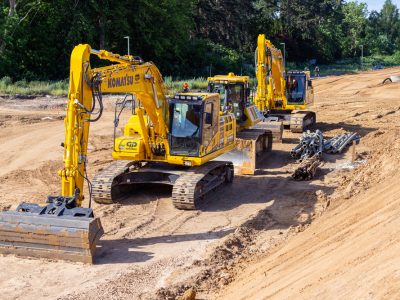
Equipment rentals also shifted as demand increased for dozers, graders, compactors, and haul trucks. Companies tracked rental availability throughout the year, especially during peak building seasons. This led to some schedule changes as teams matched machine access with project timetables to keep earthmoving tasks on track.
Influence of Soil and Terrain Conditions
Soil composition shaped many pricing differences for site work during 2025. Clay-heavy lots needed careful shaping, while rocky ground demanded more time and heavier buckets. This created variations in total project costs, especially for builders preparing land for long-term residential construction.
Steep lots also added time since teams needed additional cuts and fill coordination. This slowed grading on hillside developments and led to more hauling needs. Crews used stronger planning methods to shape stable pads before foundation teams arrived.
Permitting and Inspection Impacts on Final Amounts
Permits and inspections carried more weight this year because local governments focused heavily on drainage and erosion risks. Teams prepared documents early to avoid delays once clearing began. This helped project managers plan around required check-ins from city or county inspectors.
Inspection schedules varied by region, shaping timing for trenching, compaction, and early utility installs. Some projects saw longer review windows when agencies had limited staffing. Builders adapted by ordering materials earlier and tightening communication between field crews and administrators.
Utility Access and Underground Work Costs
Utility trenching remained a major deciding factor in total project budgets during 2025. Many properties required extended trench runs to reach water, power, or sewer lines. This increased time on site and shaped expectations for full excavation timelines. Teams offering utility construction services helped streamline this process and kept coordination tight.
Properties without nearby utility lines needed more planning to route paths safely. Contractors faced more scheduling challenges during busy seasons when utility crews were spread across large developments. These conditions shaped final pricing and pushed some projects into later phases of the year.
Erosion Control and Stormwater Adjustments
Stormwater rules affected project budgets as counties tightened guidelines around drainage channels and sediment barriers. Crews installed more advanced controls that protected nearby properties during heavy rainfall. These additions played a large role in shaping timeline expectations on larger construction sites.
Material availability also guided how teams approached erosion controls. Some regions reported shortages during peak building periods, which led to brief delays and changes in supplier coordination. This shaped the timing for grading, trenching, and pad stabilization throughout several months of the year.
Material Costs and Delivery Variables
Material costs changed frequently, especially for gravel, fill dirt, and topsoil. Transportation fees rose during mid-year periods because shipping companies managed heavier demand and longer hauls. This shaped the final numbers for many builders who needed imported fill for their pads.
Availability varied in certain regions depending on local suppliers and weather limitations. Some sites needed multiple deliveries spread over several days due to access restrictions. These factors contributed to a wider range of outcomes for project budgets across the year.
Environmental Considerations and Clearing Requirements
Environmental rules shaped many clearing plans throughout 2025. Protected vegetation zones required careful planning, while wildlife assessments guided work in rural areas. These factors shaped early project phases and often added preparation steps before any excavation began.
Large tree removal added more time when roots interfered with trench paths or grading slopes. Many crews used specialized equipment for tight spaces, which helped shape pads more carefully. These tasks carried additional costs but supported stable building conditions across long-term construction sites.
Regional Differences Observed Throughout 2025
Some states saw higher average preparation costs due to limited equipment availability. Population growth in expanding regions also made scheduling more competitive. Builders planned ahead to avoid delays that pushed projects past their targeted windows.
Areas with stronger access to materials and labor saw more stable pricing across the year. Communities with established supplier networks supported faster response times for gravel, soil, and compaction needs. These differences shaped the range of costs that property owners experienced during the year.
How Homeowners and Developers Calculated Their 2025 Budgets
Many homeowners used early soil assessments to estimate budgets more accurately. These evaluations guided decisions about grading, compaction, and drainage improvements. Developers watched these patterns closely when planning larger communities that required uniform pad shaping and consistent trench work.
Builders also compared past projects to gauge future costs more reliably. Historical data helped teams anticipate fuel use, equipment needs, and crew availability. This reduced unpredictability and helped align expectations between landowners and construction crews.
Looking Back at 2025 Pricing Patterns
By the end of 2025, patterns showed that site work depended heavily on terrain, material access, and labor availability. Builders found that early planning helped avoid delays, especially on larger projects requiring multiple clearing and excavation phases. Soil challenges shaped many schedules and raised the need for careful grading approaches.
Project managers who tracked seasonal trends adapted smoothly to changing weather and supplier constraints. Teams also leaned on technology to maintain accurate cuts, safe trenching, and detailed grading patterns. These improvements supported better project flow and stronger results across residential and commercial properties.
Partner with Ground Zero Construction Today
At Ground Zero Construction, our team supported communities through dependable site development, earthwork, utility installation, concrete, and asphalt work throughout the year. We operated across a demanding construction landscape, staying focused on blue-collar dedication, consistent quality, and reliable execution on every project.
For new construction projects, choose a company that values speed, accuracy, and strong communication at every stage of the process.
Our team is ready to help shape your land efficiently and precisely, applying the same hard-working approach, attention to detail, and commitment to quality that guided every project we successfully completed in 2025. Contact us today to discuss your project and move forward with confidence.
Related Blogs
Types Of Underground Utilities And How They Impact Site Planning
Buried infrastructure serves as the unseen framework of every successful construction site and influences the…
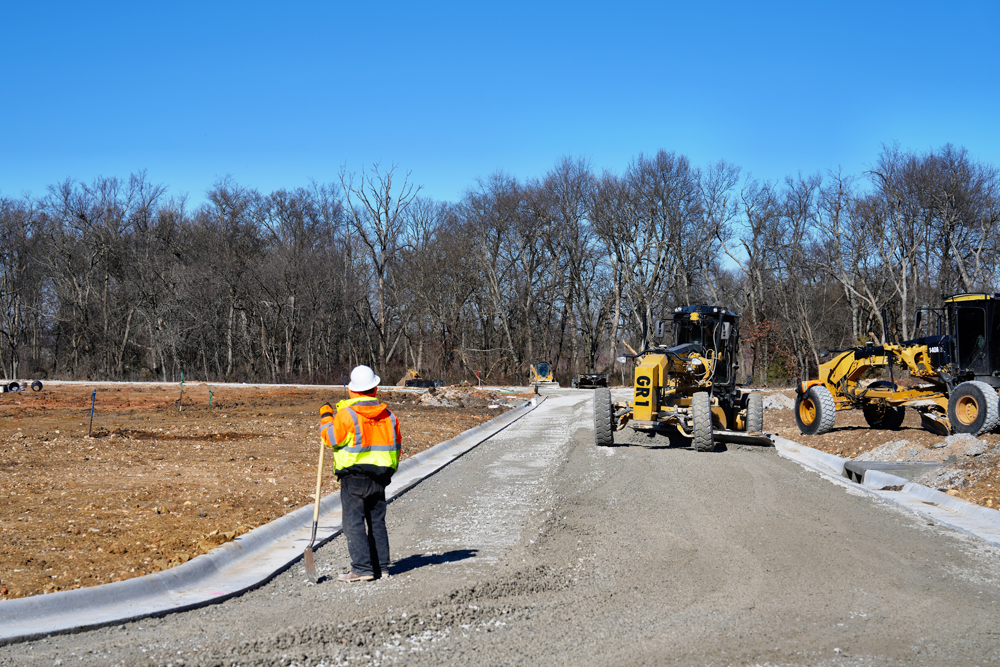
Pavement Vs. Sidewalk: Understanding Their Roles And Uses
A solid surface carries weight and keeps travel paths clear of dirt or mud. Solid…

How To Estimate Excavation And Backfill For Commercial Projects
Large construction sites depend on precise earthmoving to remain profitable and safe. Accurate calculations determine…
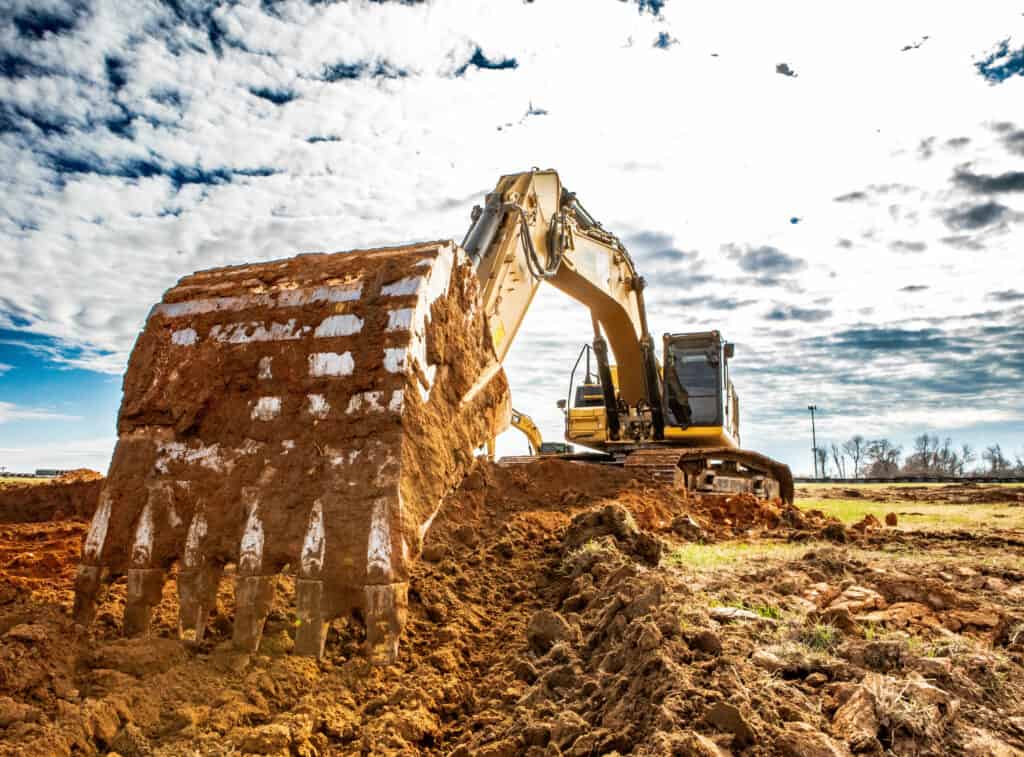
Earthwork Vs. Site Services: Which Does Your Project Need?
When planning any construction project, one of the first decisions you’ll face is whether your…

How Deep Should A Manhole Be?
Most people walk or drive over the heavy metal lids in our roads and sidewalks…

How Wide Should A Sidewalk Be? Standard Measurements Explained
Most pedestrians do not spend their time thinking about the engineering behind a pavement, but…
 Site Preparation Steps Before Pouring A Concrete Slab
Leave a Reply