Large construction sites depend on precise earthmoving to remain profitable and safe. Accurate calculations determine the exact volume of soil relocated from one area to another. This step influences the outcome of every underground phase in a major development.
Understanding how to estimate excavation and backfill keeps timelines intact and reduces unnecessary material waste. Clear calculations support efficient operations and stronger margins on heavy equipment work.
Ground Zero Construction, Inc delivers top results through decades of field knowledge. We handle dirt with unmatched speed and focus on direct communication with every partner. Expert excavation contractors from our team use the latest technology to finish tasks fast.
Understanding Excavation and Backfill for Projects
Excavation removes soil to create space for foundations, basements, and underground utilities. The resulting void must regain structural stability once construction elements are installed. Backfill replaces soil around concrete or piping after placement is complete.
Engineers specify soil classifications that can support structural loads safely. Proper compaction methods prevent future settlement and ground movement. Careful planning around how to estimate excavation and backfill protects the long-term performance of the site.
Key Factors to Consider in Estimation
Estimators evaluate site conditions to forecast cost and scheduling requirements for earthwork. Each location presents unique soil profiles and underground challenges. Four primary variables shape the calculation process:
- Soil type: Clay, sand, and silt respond differently to excavation. Some materials expand significantly once disturbed, while others remain compact. Soil analysis predicts these changes and keeps volume calculations accurate.
- Water table: Elevated groundwater levels require pumps or drainage systems during excavation. Excess moisture slows equipment and affects soil stability. Drainage planning keeps work zones manageable and on schedule.
- Hauling distance: Transporting soil across a site costs less than hauling it to a distant disposal area. Fuel use and labor hours increase with longer routes. Route planning reduces transportation expenses.
- Machine access: Tight spaces limit the size of the equipment used for the dig or the fill. Smaller machines move less dirt per hour and increase the total time on the project. An operations chief selects the right tools to finish the work without any waste.
Types of Excavation and Backfill Projects
Topsoil stripping removes organic material before structural excavation begins. Trenching forms narrow channels for utility lines beneath the surface.
Mass excavation relocates large volumes of soil for expansive foundations or parking areas. Each method demands a specific strategy to preserve surrounding ground stability. Effective coordination keeps the site organized and construction ready.
Tools Required for Excavation and Backfill
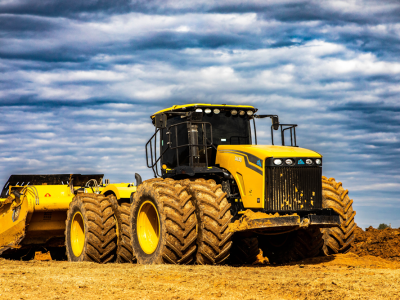
Hydraulic excavators remove significant volumes of soil with precision. Bulldozers redistribute loose material and shape the terrain for grading. Vibratory rollers compact backfill layers to create a firm base that resists settlement. Laser leveling systems confirm depth accuracy according to site plans. Skilled operators use this equipment to achieve a consistent and stable subgrade.
How to Measure Excavation Volumes Effectively
Measurements begin with determining the length, width, and depth of the excavation area. Volume is calculated in cubic yards to simplify scheduling of trucks and disposal. Swell factor must be included because soil expands when disturbed.
Accounting for this expansion prevents confusion when stockpiles appear larger than expected. Quantity verification strengthens budgeting accuracy and supports reliable planning around how to estimate excavation and backfill.
Calculating Backfill Requirements for Commercial Sites
Backfill volume equals the total excavation minus the volume occupied by the structure. This calculation identifies how much material must return to the site. Soil compaction reduces volume, so additional material is often required to reach final grade.
Miscalculations create low areas or structural instability near foundations. Layer monitoring during placement creates a stable surface for final construction stages.
Common Challenges in Excavation and Backfill Estimation
Subsurface conditions frequently change once digging begins. Hidden debris or unknown utilities can disrupt operations without warning. Four common challenges include:
- Weather shifts: Rain turns a dry site into a swamp and makes soil too heavy to move. Wet dirt requires extra time to dry before it can support any heavy weight or machines. A weather guard schedules work around the clouds to keep the project moving forward safely.
- Utility strikes: Old maps sometimes miss pipes or wires hidden deep under the grassy surface of the lot. Striking a live line causes huge delays and creates safety risks for everyone on the site. A utility scout locates every line to prevent accidents and keep the work steady.
- Slope stability: Deep holes can collapse if the walls are not cut at the correct angle for safety. Loose soil slides down and fills the hole back up before the concrete can be poured. A safety officer monitors the banks to prevent cave-ins and keep the crew safe.
- Material quality: Some dirt contains too much organic matter to work as a stable base for a building. Hauling in clean fill costs more money but prevents the structure from sinking over the years. A quality pro tests the soil to verify it meets every building code.
Estimation Methods for Material Quantities
Manual takeoffs involve scaling printed plans to calculate earthwork volumes. Digital estimation tools generate three-dimensional models that project cut and fill quantities quickly. Cross-section analysis measures average depth across varied terrain.
Accuracy in these techniques prevents overordering or shortages. Verification of calculations supports the reliable execution of how to estimate excavation and backfill on complex sites.
How Site Conditions Affect Estimation Accuracy
Trees and heavy brush require clearing before the first shovel hits the ground on a new site. Existing structures or concrete slabs add to the demolition costs and the total debris volume. Steep hills make it harder for trucks to move around safely while carrying a full load. Rocky ground might require hammers or blasting instead of standard buckets to reach the target depth. A terrain analyst evaluates the land to set a realistic price for the work.
Using Software for Excavation Estimation Efficiency
Modern software takes GPS data from the field to create an exact map of the current ground. These programs calculate cut and fill needs in seconds with very high precision for the team. Digital tools allow for quick changes when the project design shifts during the early phases. Cloud sharing keeps the office and the field crew on the same page at all times. A tech specialist manages the data to deliver high-speed results on every commercial job.
Why Accurate Estimation is Vital for Budgeting
Small errors in dirt math lead to massive cost overruns over the life of a project. Ordering too many trucks wastes fuel and labor while leaving extra dirt on the site. Forgetting the compaction rate means the site will run out of dirt before the hole is full.
Correct numbers allow the project manager to buy materials at the best possible price. A budget architect keeps the finances in line by starting with a perfect dirt estimate.
Call Ground Zero Construction, Inc. To Start Your Next Big Project
We bring 26 years of experience to every site to deliver the fastest results in the industry. Our team follows OSHA and MSHA guidelines to keep every work zone safe and productive for all. Professional excavation services in Arkansas define our reputation for quality earthwork and utility installation. We invest in top technology to streamline site development and eliminate the need for middlemen.
Our TERO-Certified crew provides residential and commercial excavation solutions that keep your budget on track. We handle asphalt, concrete, and site clearing with a focus on efficiency and direct communication with our management
Related Blogs
Types Of Underground Utilities And How They Impact Site Planning
Buried infrastructure serves as the unseen framework of every successful construction site and influences the…
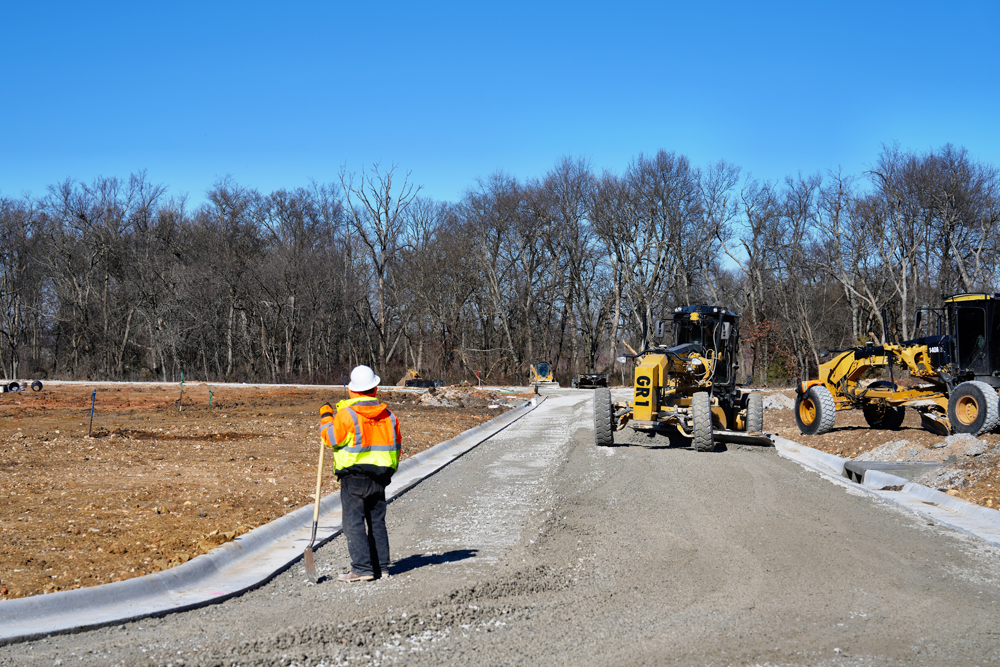
Pavement Vs. Sidewalk: Understanding Their Roles And Uses
A solid surface carries weight and keeps travel paths clear of dirt or mud. Solid…

How To Estimate Excavation And Backfill For Commercial Projects
Large construction sites depend on precise earthmoving to remain profitable and safe. Accurate calculations determine…
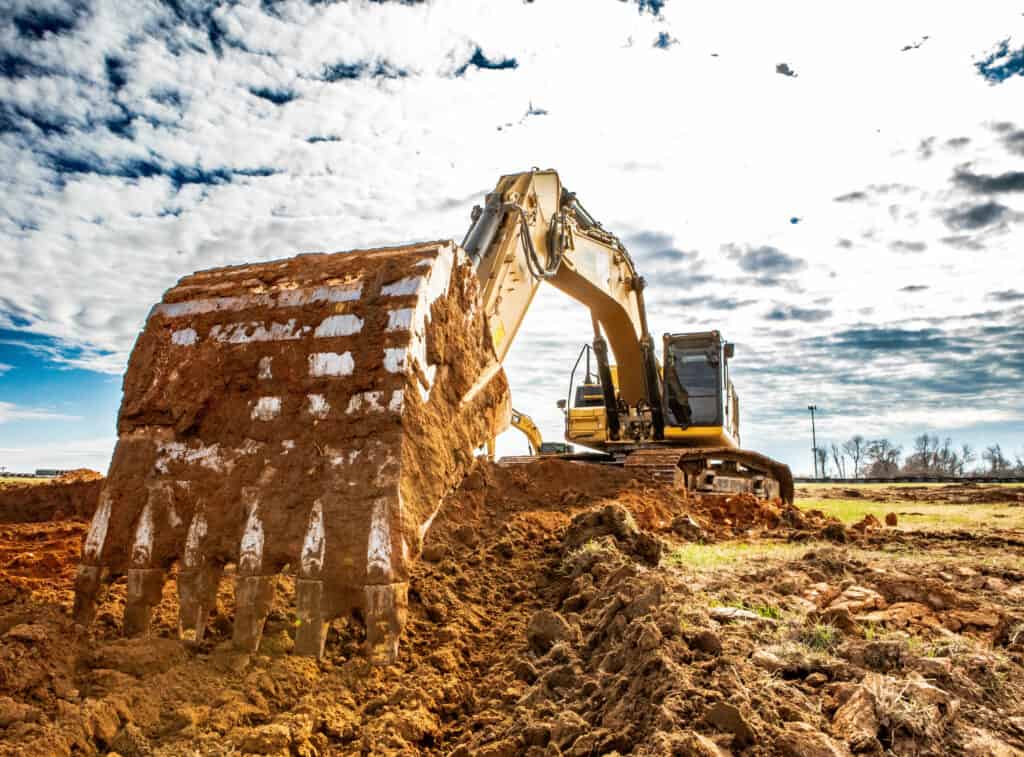
Earthwork Vs. Site Services: Which Does Your Project Need?
When planning any construction project, one of the first decisions you’ll face is whether your…

How Deep Should A Manhole Be?
Most people walk or drive over the heavy metal lids in our roads and sidewalks…

How Wide Should A Sidewalk Be? Standard Measurements Explained
Most pedestrians do not spend their time thinking about the engineering behind a pavement, but…
 Earthwork Vs. Site Services: Which Does Your Project Need?
Leave a Reply