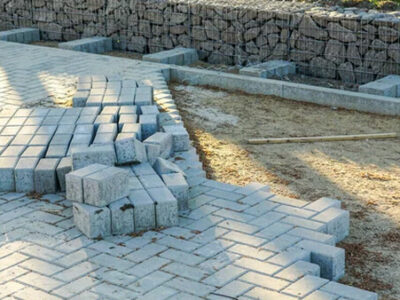
Most pedestrians do not spend their time thinking about the engineering behind a pavement, but as a developer or business owner, getting the dimensions right is a top priority. A path that is too narrow feels cramped and unsafe, while one that is unnecessarily wide can drive up costs and complicate drainage.
Exactly how wide is a sidewalk for a modern development? At Ground Zero Construction, we help our clients understand these technical specifications to create spaces that are functional, safe, and compliant with local standards.
Factors That Influence Sidewalk Width
Consider the key factors that determine the dimensions of a sidewalk:
Pedestrian Traffic
High-traffic areas such as busy shopping streets, near schools, or transportation hubs, require wider sidewalks to prevent overcrowding and allow for smooth movement.
Environmental Factors
In areas where space is limited, such as in dense urban environments, sidewalk dimensions may be constrained. Local authorities may prioritize pedestrian traffic flow and accessibility, adjusting the width as needed. Additionally, environmental features like trees and utility boxes can reduce usable sidewalk width and require careful planning.
Residential Standards and Neighborhood Flow
In residential construction, the five-foot width has become the go-to standard for most new subdivisions. While older neighborhoods often utilized four-foot paths, modern planning focuses more on the comfort and accessibility of the people living there.
A five-foot expanse allows two people to walk side-by-side without one person having to step into the grass. This extra foot also provides a safer environment for parents pushing strollers or children riding bikes. When we assist developers with site development, we emphasize that these small adjustments in width make a massive difference in how the community functions.
Commercial Needs and High Volume Areas
When the setting shifts to a commercial business district or a school zone, the rules change significantly. These areas experience a much higher volume of foot traffic, which requires a more generous footprint. In these environments, you will often see paths stretching from six to eight feet.
In very busy urban hubs, designers might even push those boundaries to ten or fifteen feet. This extra space accommodates benches, trash cans, and light poles without blocking the flow of pedestrians. Our concrete & asphalt services team often works on these larger scales, making sure that the surface is durable enough to handle both the weight of the traffic and the local weather changes.
Legal Accessibility and Safety Guidelines
Beyond just the comfort of the user, there are strict legal requirements to consider. The Americans with Disabilities Act sets specific rules for public pathways to make sure that everyone can navigate them safely.
If a walkway is too narrow for two wheelchairs to pass each other, the design must include dedicated passing spaces at regular intervals. Staying on top of these regulations is part of our commitment to a straightforward, professional process. We want to help you avoid the expensive rework that happens when a project fails to meet these mandatory accessibility benchmarks.
Meeting Your Needs with Proper Sidewalk Design
The right sidewalk width creates a clear, functional connection between people and the places they need to go. Whether you are building a quiet cul-de-sac or a major commercial hub, getting the measurements right from the start protects your investment and the safety of the public.
We bring blue-collar grit and high-end technology to every job to keep your project moving fast. Contact us today to discuss your paving needs and bring your vision to life.
Related Blogs
Types Of Underground Utilities And How They Impact Site Planning
Buried infrastructure serves as the unseen framework of every successful construction site and influences the…
Pavement Vs. Sidewalk: Understanding Their Roles And Uses
A solid surface carries weight and keeps travel paths clear of dirt or mud. Solid…

How To Estimate Excavation And Backfill For Commercial Projects
Large construction sites depend on precise earthmoving to remain profitable and safe. Accurate calculations determine…
Earthwork Vs. Site Services: Which Does Your Project Need?
When planning any construction project, one of the first decisions you’ll face is whether your…

How Deep Should A Manhole Be?
Most people walk or drive over the heavy metal lids in our roads and sidewalks…

How Wide Should A Sidewalk Be? Standard Measurements Explained
Most pedestrians do not spend their time thinking about the engineering behind a pavement, but…
 Site Remediation: What It Is And Why It’s Necessary
Leave a Reply