Proper site preparation for concrete slabs is the first step to a strong and durable foundation. Knowing how to prep an area for concrete is best, as improper preparation can lead to cracking and settling over time. Here are the steps necessary to prepare the site before pouring concrete, from clearing the area to laying the foundation.
Clear the Site
Before beginning any site preparation for concrete slab, the area must be cleared of debris, vegetation, and rocks. This helps create a clean and stable base for the slab to rest on. It is also important to remove any old structures, such as concrete or wooden remnants, as these can interfere with the slab’s integrity.
After clearing the area, it is important to level the ground. Uneven soil can cause the slab to settle or crack under pressure. This is a significant part of site development that makes the slab stable, long-lasting, and free of structural issues caused by uneven surfaces.
Excavate the Area
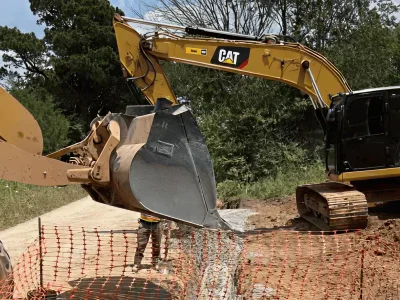
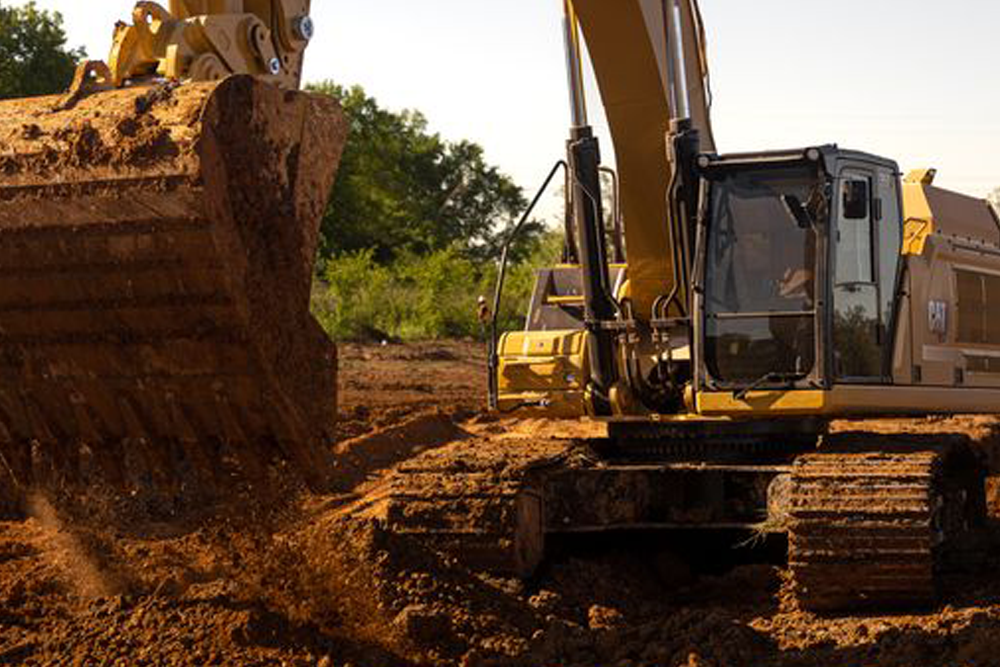
Excavation is an important step when prepping an area for concrete. The depth of excavation depends on the soil type and the planned thickness of the slab. Typically, excavation is required to a depth of at least 4–6 inches, though this can vary for specific applications.
Once excavation is complete, it is important to verify that the base is level. Use a level tool to confirm that there are no dips or rises in the soil that could affect the slab. Having a smooth and even surface at this stage will result in a much more stable and durable concrete slab.
Install Proper Drainage
Proper drainage is required for preventing water buildup under the slab. Water can cause concrete to weaken over time, leading to cracks or shifts in the foundation. Before pouring the concrete, make sure that the site is sloped away from buildings or other structures to prevent water from accumulating.
Consider installing a French drain or other drainage solutions around the site if necessary. These solutions help channel water away from the concrete slab, keeping the foundation dry and protected. A solid drainage plan will increase the longevity of the slab and prevent water damage in the future.
Lay a Gravel Base
One of the most important steps in preparing an area for concrete is to lay a gravel base. The gravel serves as a cushion and helps with drainage while also providing a stable surface for the slab. Typically, a 4-inch layer of gravel is sufficient for most projects, though thicker layers may be needed for certain applications.
Compact the gravel base well for a solid foundation. This is a vital step in site development that prevents shifting or settling of the concrete once it is poured. A firm base of gravel helps to distribute the weight of the concrete evenly, which contributes to the slab’s long-term stability.
Add a Vapor Barrier
Adding a vapor barrier is a key step in preventing moisture from seeping into the concrete slab. This is particularly important for interior slabs or slabs in areas with high moisture levels. A plastic sheet or polyethylene material is typically used to cover the gravel base before pouring concrete.
The vapor barrier helps to maintain the slab’s integrity by preventing moisture from causing cracks or degrading the concrete over time. It is best to cover the entire area, making sure there are no gaps in the barrier that could allow moisture to affect the slab’s durability.
Set Formwork
Formwork is the mold that holds the concrete in place while it sets. It is important to construct strong, level, and sturdy formwork that aligns with the desired dimensions of the slab. Typically, formwork is made of wood or metal, depending on the project size.
Check that the formwork is tightly secured and level to prevent shifting during the pour. The formwork must also be slightly higher than the desired slab height to allow for proper leveling once the concrete is poured. Accurate formwork will result in a clean, straight slab with smooth edges.
Reinforce the Concrete with Rebar
Reinforcing the concrete with rebar or wire mesh helps to prevent cracking and gives the slab the strength to bear heavy loads. The rebar should be placed in a grid pattern within the formwork, making sure it is centered within the slab to distribute stress evenly.
This step is especially important for slabs that will support heavy machinery or vehicles. Proper reinforcement not only improves the slab’s durability. It also enhances its ability to resist the forces that could cause it to crack or break under pressure.
Check Soil Compaction
Soil compaction is an important consideration when preparing the ground for a concrete slab. The soil beneath the slab must be firm enough to support the weight of the concrete without shifting over time. If the soil is too loose, it may require additional compaction to avoid settling issues.
To test the soil’s compaction, use a compaction test or simply check that it is firm when stepped on. If necessary, compact the soil further before proceeding with other site preparation steps. A well-compacted base will prevent settling and see to it that the concrete slab remains level for years.
Pour the Concrete
Once all site preparation steps are complete, it is time to pour the concrete. Make sure that the concrete mix is properly prepared and that the pouring process is done in a timely manner to prevent uneven drying. During the pour, continuously check that the concrete is distributed evenly across the formwork.
After the concrete is poured, use a screed to level the surface and remove any excess material. Allow the concrete to cure properly, as this is key to achieving its strength and durability. Curing is a process that must be monitored to avoid early cracking.
Achieving a Solid Foundation
Site preparation for a concrete slab is an integral part of maintaining the strength and longevity of the foundation. Taking the time to properly prepare the site can save significant costs and prevent long-term damage. If you are preparing a slab for residential or commercial construction, following these steps will help you achieve a solid foundation.
For high-quality concrete and asphalt services, Ground Zero Construction is your go-to provider. With over 26 years of experience, we specialize in concrete and asphalt solutions tailored to meet your needs. To learn more about how we can assist with your project, contact us today. Our skilled team is ready to help you with all your site preparation and concrete needs.
Related Blogs
Types Of Underground Utilities And How They Impact Site Planning
Buried infrastructure serves as the unseen framework of every successful construction site and influences the…
Pavement Vs. Sidewalk: Understanding Their Roles And Uses
A solid surface carries weight and keeps travel paths clear of dirt or mud. Solid…

How To Estimate Excavation And Backfill For Commercial Projects
Large construction sites depend on precise earthmoving to remain profitable and safe. Accurate calculations determine…
Earthwork Vs. Site Services: Which Does Your Project Need?
When planning any construction project, one of the first decisions you’ll face is whether your…

How Deep Should A Manhole Be?
Most people walk or drive over the heavy metal lids in our roads and sidewalks…

How Wide Should A Sidewalk Be? Standard Measurements Explained
Most pedestrians do not spend their time thinking about the engineering behind a pavement, but…
 How Parking Lot Contractors Support Business Growth
Leave a Reply