Buried infrastructure serves as the unseen framework of every successful construction site and influences the placement of all surface structures. Effective planning starts with a detailed review of the types of underground utilities located beneath the ground.
These concealed systems transport water, electricity, gas, and data across long distances to support daily operations. Accurate identification prevents costly damage and protects project timelines.
Ground Zero Construction, Inc offers elite expertise for every phase of your next large project as premier Arkansas underground utility contractors. Our team handles every detail with precision and speed to deliver high-quality results. We possess the skills and advanced tools to manage your subsurface needs.
Trust us to build a solid foundation for your success through our reliable and professional underground utility services.
Common Types of Underground Utilities in Modern Construction
Subsurface systems maintain safety and functionality by moving essential resources through hidden networks of pipes and conduits. Understanding the various types of underground utilities during early planning reduces risk and supports long-term performance.
- Gravity-Based Systems: Stormwater and sanitary sewer lines depend on sloped piping to transport runoff and waste without mechanical pumps. Precise depth and gradient calculations maintain consistent flow toward treatment facilities or reservoirs. These networks occupy significant underground space and influence the placement of surrounding infrastructure.
- Pressurized Water Lines: Municipal water distribution and fire suppression systems operate under continuous pressure. Thick-walled piping withstands soil weight and temperature changes to reduce the risk of rupture. Correct burial depth protects against freezing while maintaining steady service.
- Natural Gas Pipelines: Gas utilities require careful separation from electrical systems to reduce fire hazards. Specialized materials and mapping procedures address the volatile nature of fuel transport. Strict safety protocols during excavation reduce the chance of leaks or ignition.
- Electrical Power Grids: Underground conduits house high-voltage cables that connect buildings and street lighting to the main grid. Burial protects wiring from weather exposure and removes the need for overhead lines. Clear marking prevents accidental contact during future maintenance. Professional handling supports safe and consistent electrical service.
- Fiber Optic Networks: Fiber lines transmit digital data at high speeds through delicate glass strands. These cables require protective housings to guard against pressure and bending. Business operations and communication systems depend on reliable connectivity. Specialized installation techniques protect these sensitive communication lines from damage.
Utility Placement Regulations and Legal Considerations
Municipal codes and state regulations define depth, spacing, and clearance requirements for buried systems. Required separation distances between water, gas, and electrical lines prevent contamination and accidental interference. Utility easements can limit where permanent structures may be constructed on a property.
Compliance with these rules avoids fines and project delays. Professional oversight of legal requirements keeps development aligned with all applicable standards.
Environmental Impacts of Underground Utility Construction
Installing underground utilities can change the natural structure of the soil and affect how groundwater flows beneath a site. Trenching shifts soil layers, which may influence drainage patterns if not handled carefully. Erosion control systems help keep loose sediment from washing into nearby streams during heavy rain. Trenchless construction methods also limit disruption to mature trees and surrounding habitats.
Thoughtful planning and steady oversight help protect the environment while infrastructure work moves forward. A balanced approach allows progress on site without sacrificing long-term environmental health.
How Underground Utilities Affect Construction Costs
Underground systems often account for a significant share of total project expenses. Challenging soil conditions or high groundwater levels can make excavation more complex and require specialized equipment. Relocating existing lines to make space for new foundations increases both labor and material costs.
Addressing these factors early supports stronger financial planning. A detailed evaluation of the utilities already in place leads to more accurate budgets and fewer unexpected costs during construction.
Choosing the Right Arkansas Utility Construction Service
Working with an experienced contractor can greatly influence both the timeline and final quality of a project. An established team brings the equipment and technical knowledge needed to excavate and install utilities with precision.
Familiarity with local soil conditions and seasonal weather patterns helps reduce avoidable delays. Clear communication with leadership keeps decisions moving and prevents confusion. Skilled professionals deliver results that remain dependable for years.
Call Ground Zero Construction, Inc. To Start Your Next Major Site Development Project Today
Ground Zero Construction, Inc moves dirt and installs pipes with unmatched speed to keep your project moving toward a fast finish.
Our team brings 26 years of experience to every job site to handle earthwork and asphalt needs. We operate as a TERO-Certified Arkansas commercial property development company that follows strict OSHA and MSHA safety rules.
Our company structure gives clients direct access to senior leadership, eliminating unnecessary layers and speeding up decision making. We rely on modern technology to improve efficiency on every task for commercial land development contractors throughout the region.
Ground Zero Construction, Inc delivers premium concrete and utility construction services designed to support long term success for each client.
Related Blogs
Types Of Underground Utilities And How They Impact Site Planning
Buried infrastructure serves as the unseen framework of every successful construction site and influences the…
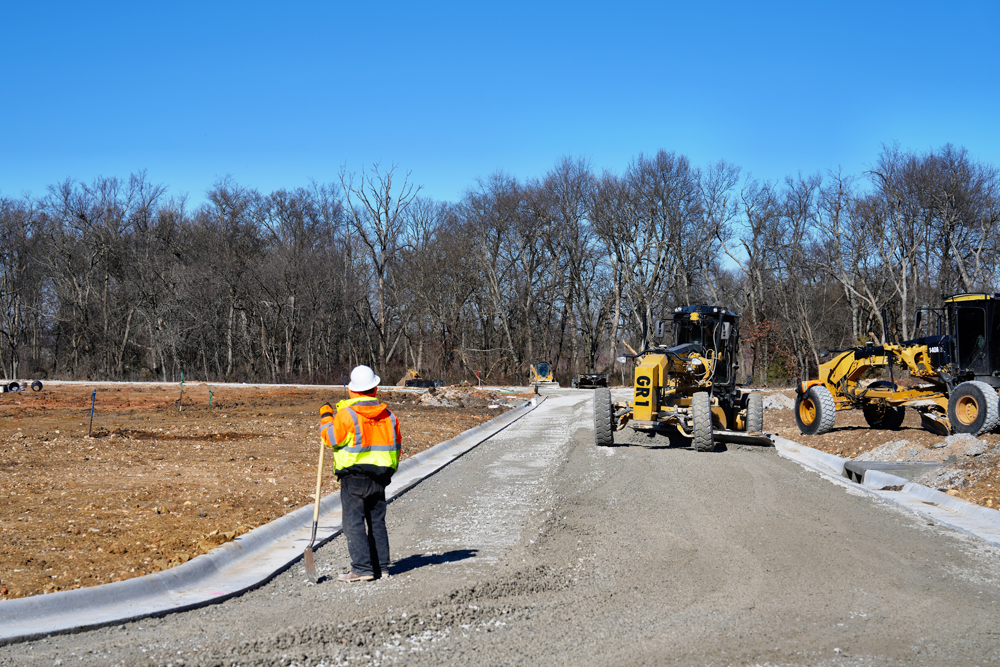
Pavement Vs. Sidewalk: Understanding Their Roles And Uses
A solid surface carries weight and keeps travel paths clear of dirt or mud. Solid…
How To Estimate Excavation And Backfill For Commercial Projects
Large construction sites depend on precise earthmoving to remain profitable and safe. Accurate calculations determine…
Earthwork Vs. Site Services: Which Does Your Project Need?
When planning any construction project, one of the first decisions you’ll face is whether your…

How Deep Should A Manhole Be?
Most people walk or drive over the heavy metal lids in our roads and sidewalks…

How Wide Should A Sidewalk Be? Standard Measurements Explained
Most pedestrians do not spend their time thinking about the engineering behind a pavement, but…
 Pavement Vs. Sidewalk: Understanding Their Roles And Uses
Leave a Reply