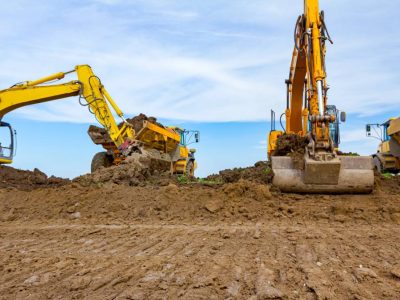
Construction projects rely on strong groundwork, and this begins long before equipment arrives on location. Site preparation lays the foundation for safe progress, stable structures, and predictable timelines. Many people ask what is site preparation in construction and how it influences early decisions in the building process, especially on residential and commercial jobs.
Understanding the Purpose of Early Groundwork
Early groundwork prepares a site so construction crews can operate safely and efficiently. Teams assess physical conditions, identify potential hazards, and review the project layout before work begins. This initial phase establishes clear expectations, reduces confusion, and provides direction for every subsequent stage.
Proper early work also mitigates risk by removing obstacles and preparing the surface for heavy equipment. With the right team, the site becomes easier to navigate and more predictable, helping protect project schedules.
When combined with utility construction services and effective communication among all contractors, this process ensures smooth progress and reliable results throughout the project.
Evaluating Land Conditions and Physical Barriers
Land evaluation focuses on understanding soil type, slope, moisture levels, and stability. These factors influence structure placement, grading needs, and long-term performance. Soil tests help the team so that they will understand how the ground will respond to load, movement, or ongoing weather changes throughout the life of the project.
Physical barriers require careful study so teams can clear or adjust them without delay. Trees, old structures, underground lines, abandoned pipes, and buried debris each affect how the project will move forward. Removing these issues early helps experienced contractors prevent surprises that create downtime later.
Clearing and Removing Obstacles Before Work Begins
Land clearing is one of the earliest steps in site preparation. The team removes brush, stumps, rocks, vegetation, and anything blocking machinery access. This part of the process creates a clean, workable surface that supports safe operation and allows workers to reach every part of the location.
Demolition may be required for aging structures or damaged foundations. This work must follow OSHA and MSHA standards to protect workers and surrounding properties. Once the surface is clear, the team can begin laying out equipment paths and planning traffic patterns for upcoming construction phases.
Surveying and Mapping the Building Location
Surveying helps teams define boundaries and identify the correct placement for buildings, utilities, and key infrastructure. It also determines the accurate grading plan. Surveyors use precise measurements to guide contractors on limits, slopes, and depth adjustments needed before foundation work takes place.
Mapping transforms survey data into a practical plan for crews on the ground. These layouts clarify how the land must be shaped and where structural components will go. Skilled contractors use the survey map to coordinate machinery, adjust cut-and-fill needs, and avoid crossing into restricted areas.
Designing the Project Layout and Access Points
A well-designed layout outlines where structures, driveways, drainage paths, and underground utilities will sit. This planning stage prepares the team for smooth navigation and communication during construction. Teams align this layout with grading requirements, soil testing results, and the overall building plan.
Access points are equally important because machinery must enter and exit without interrupting workflow. Heavy equipment paths are planned to minimize ground disturbance and limit interference with active work zones. Access design supports safety and keeps the project’s pace strong during each phase of construction.
Soil Grading and Achieving the Correct Ground Level
Once the area is cleared, grading adjusts elevations to meet engineering requirements. The team raises or lowers soil to reach the correct height and slope. This part of site preparation prevents pooling water, reduces erosion, and builds a stable footprint for structures to stand on.
Precise grading reduces uneven settling over time. When slopes follow the project design, water moves away from buildings and toward appropriate drainage areas. This step supports long-term durability and creates a strong starting point for foundation work and utility installation.
Compaction for Strong and Stable Ground Support
Compaction increases soil density, creating a stable base capable of supporting heavy loads without shifting. Specialized machinery presses soil particles together to form a firm, reliable surface.
This process is critical in preventing long-term structural issues such as cracking, tilting, or settling in concrete foundations, and it establishes a solid foundation for all subsequent construction activities.
A well-compacted surface also enables crews to operate equipment safely and efficiently across the site. It minimizes rutting and soft spots that can slow progress, damage machinery, or compromise project timelines.
Experienced contractors recognize that proper compaction directly enhances project speed, safety, and predictable performance while ensuring durable results that stand up to years of use and environmental stress.
Drainage Planning and Water Movement Management
Good drainage planning directs water away from structures and walkways. Crews shape slopes, create channels, and identify where moisture will naturally travel during storms. This protects the job site from washouts and delays while construction is underway.
Drainage planning also supports long-term resilience for finished structures. Proper water paths reduce erosion, protect foundations, and prevent standing water from weakening soil. Strong drainage work plays an important role in creating a long-lasting building environment.
Installing Underground Utilities and Service Lines
Before vertical construction begins, underground utilities must be placed in the correct locations. Crews dig trenches for water lines, sewer lines, electrical pathways, and communication systems. This work is often coordinated with utility construction services to avoid interference and keep everything aligned with the project schedule.
Proper installation helps prevent future disruptions that require digging through finished surfaces. Experts work carefully to stay within survey boundaries, honor depth requirements, and maintain safe separation between utility types. Underground work also ties directly into the larger site development plan.
Coordinating Contractors and On-Site Communication
Successful site preparation relies on clear, consistent communication among every team on site. Contractors must understand their schedules, responsibilities, and designated access points. Frequent updates support predictable movement and allow teams to adapt quickly to changing conditions.
At Ground Zero Construction, our approach emphasizes direct communication with top management, eliminating delays caused by unnecessary intermediaries. This method accelerates decision-making and keeps every phase of construction on track.
By maintaining strong coordination, our teams ensure projects proceed efficiently, timelines are met, and operations remain smooth throughout the construction process.
Maintaining Safety and Compliance Standards
Safety is at the center of all site preparation work, and crews follow OSHA and MSHA guidelines to protect workers and nearby properties. This includes equipment safety, fall prevention, trench standards, and handling hazardous materials correctly. Each step supports a safer environment and strengthens the reliability of every task completed on the project.
Safety planning also involves training, inspections, and ongoing supervision. Teams remain aware of physical hazards and shifting conditions during excavation, grading, and utility work. Strong safety practices protect the project and reinforce trust between contractors, clients, and partners.
Why Strong Groundwork Supports the Entire Project
Strong groundwork makes every phase that follows more predictable and efficient. When the surface is stable, the team can begin foundations, structural frames, and utility connections with confidence. A well-prepared location also reduces surprises that slow down progress or raise costs.
Site preparation supports long-term stability for finished structures. Proper grading, compaction, drainage, and layout form the foundation for decades of use. With the right approach, the early phases of construction strengthen every part of the project that comes after.
Start Your Next Project with Confidence
At Ground Zero Construction, we focus on strong site development, earthwork, utilities, concrete, and asphalt to keep your project moving with precision and efficiency. Our team uses advanced technology, direct communication, and a commitment to hard work to shape dependable building environments from the ground up.
For fast, reliable results rooted in experience and faith-driven workmanship, contact us today to discuss your next project.
Related Blogs
Types Of Underground Utilities And How They Impact Site Planning
Buried infrastructure serves as the unseen framework of every successful construction site and influences the…
Pavement Vs. Sidewalk: Understanding Their Roles And Uses
A solid surface carries weight and keeps travel paths clear of dirt or mud. Solid…

How To Estimate Excavation And Backfill For Commercial Projects
Large construction sites depend on precise earthmoving to remain profitable and safe. Accurate calculations determine…
Earthwork Vs. Site Services: Which Does Your Project Need?
When planning any construction project, one of the first decisions you’ll face is whether your…

How Deep Should A Manhole Be?
Most people walk or drive over the heavy metal lids in our roads and sidewalks…

How Wide Should A Sidewalk Be? Standard Measurements Explained
Most pedestrians do not spend their time thinking about the engineering behind a pavement, but…
 Top Benefits Of Hiring Professional Commercial Paving Services
Leave a Reply