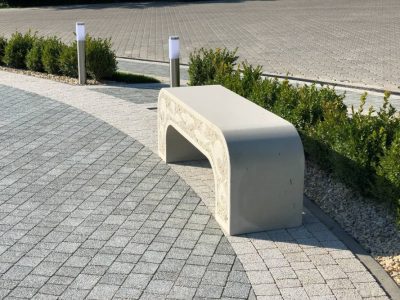
Concrete paving supports property developers by creating strong, dependable surfaces for roads, parking areas, and building sites. It forms the groundwork for reliable movement across residential and commercial projects that handle heavy traffic and long-term use. Many teams look for ‘concreters near me’ or a trusted concrete paving company to complete this important stage of construction.
Understanding How Concrete Surfaces Are Built
Concrete surfaces begin with careful planning that sets expectations for load capacity, surface thickness, and supporting materials. Developers work closely with experienced teams to determine the right mix for each project. These early conversations help maintain quality and prevent surface issues that may arise during long-term use.
The installation process starts by preparing a stable base that supports the concrete once cured. Crews assess soil conditions, incorporate compaction, and shape the area to direct drainage appropriately. This method supports the needs of commercial construction and residential construction projects that operate under different demands.
Why Property Developers Choose Concrete
Developers select concrete for its dependability on sites where strength and durability are essential. Its composition allows the finished surface to carry heavy loads without wearing down quickly, making concrete paving a reliable choice when paired with careful planning and rigorous quality control.
Concrete also performs well in areas subject to temperature fluctuations or frequent heavy vehicle traffic. This makes it a long-term investment that supports safer travel, smoother operations, and better results on busy job sites, providing property developers with surfaces that deliver consistent value and reliability over time.
The Role of Site Preparation
Successful concrete installation depends on solid site preparation that creates an even, stable foundation. Teams clear, grade, and evaluate the area so the concrete can bond correctly. This stage often involves coordination with earthwork crews and utility specialists to prevent future interruptions or structural issues.
Proper preparation prevents uneven settling that could compromise the finished surface over time. Property developers rely on this process to achieve consistent results in both commercial and residential construction. Experienced teams recognize the importance of this step in ensuring projects meet strict performance standards and deliver long-term durability.
Mixing and Transporting the Material
Concrete begins as a blend of cement, aggregates, and water, forming a workable mixture tailored to the project’s load requirements and environmental conditions. Once mixed, the material is transported in specialized trucks designed to maintain consistency until placement.
Timing is pivotal, as the mixture must remain workable during transport. Crews carefully position trucks, plan routes, and coordinate with on-site teams to prevent delays. This level of organization ensures efficient project schedules and smooth operations, supporting high-quality results and long-lasting performance for every concrete installation.
Placing and Shaping the Concrete
After transport, the material is placed into prepared forms that outline the final surface. Workers spread and level the mix while maintaining the correct thickness for the project type. This step gives the concrete its initial shape and creates the foundation for further finishing.
Skilled teams use specialized tools to achieve a smooth finish that supports the intended use. Their work influences traction, drainage flow, and the appearance of the surface. Property developers consider this part of the process an important point in achieving high-quality results across many forms of general contracting.
Curing for Strength and Longevity
Curing helps concrete reach its full strength by regulating moisture and temperature during the initial days after placement. Without proper curing, the surface may become more vulnerable to cracks or premature wear. Developers understand the value of this step because it improves long-term performance.
Surface protection methods control evaporation and support uniform hardening. Teams also monitor conditions throughout the process to maintain predictable results. By prioritizing appropriate curing, developers reinforce dependable outcomes on projects coordinated with partners across the commercial construction and residential construction sectors.
Expansion Joints and Long-Term Stability
Expansion joints allow concrete surfaces to accommodate movement caused by temperature changes or heavy loads. These planned separations give the material space to adjust without damaging the surrounding area. Developers rely on expansion joints to maintain long-term stability across a variety of paved surfaces.
Strategic placement of joints reduces the risk of stress-related cracking that can shorten surface lifespan. Their effectiveness depends on precise measurement and careful alignment during installation. This practice is especially beneficial for large properties that support significant weight, ensuring durability, safety, and consistent performance over time.
Maintenance Considerations for Property Developers
Paved surfaces require periodic attention to maintain long-term functionality. Cleaning and occasional sealing help manage grime buildup, stains, and exposure to moisture. Developers incorporate these maintenance needs into long-term plans for commercial construction and general contracting projects.
Regular inspections identify areas showing early signs of wear before they develop into larger issues. Addressing these concerns promptly helps keep surfaces strong and durable for years of use. Experienced teams follow these practices consistently to ensure reliable performance and extend the life of every paved area.
How Concrete Supports Wider Development Goals
Concrete plays a steady role in broader development plans that involve utilities, earthwork, and full site development. Its long-term stability adds value to properties and supports safe movement for occupants. These qualities matter on commercial construction projects and residential construction builds that must support years of use.
Property developers see concrete as an important investment that influences how the surrounding site operates. It strengthens the infrastructure that supports structures, parking lots, and public access points. When paired with strong planning, the surface becomes a long-lasting part of a property’s foundation.
Strengthening Project Outcomes with the Right Approach
Concrete work impacts multiple stages of property development because it supports heavy activity and long-term operation. Experienced teams use clear planning and steady communication to reach dependable outcomes. This helps developers maintain timelines, collaborate across teams, and achieve results that support future growth.
High-quality concrete surfaces become reliable components in modern construction because they stand up to demanding conditions. When installed correctly, these surfaces support smooth travel, efficient movement, and safer operation across busy work zones. Their performance strengthens the wider goals of commercial construction and residential construction projects.
Let Ground Zero Construction Support Your Next Project
At Ground Zero Construction, we help property developers move projects forward with dependable concrete & asphalt services, full site development support, and experienced crews who understand the demands of modern builds. Our team handles concrete work, utilities, earthwork, and large-scale construction needs with steady coordination and strong communication.
For a new project, partner with a team that delivers integrity and strength. Contact us today to discuss your plans and see how we can support your work.
Related Blogs
Types Of Underground Utilities And How They Impact Site Planning
Buried infrastructure serves as the unseen framework of every successful construction site and influences the…
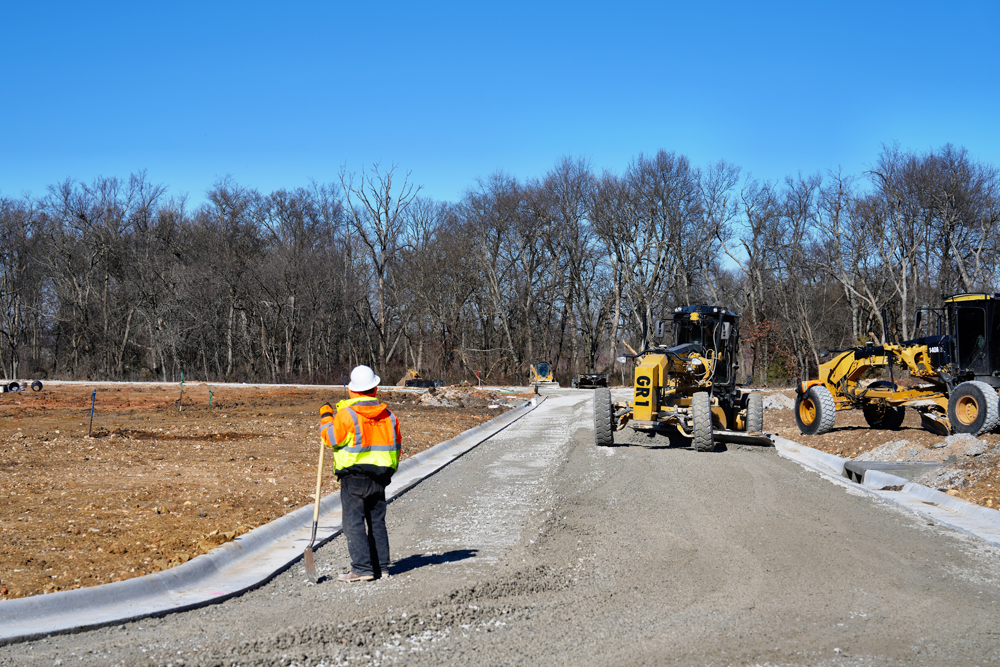
Pavement Vs. Sidewalk: Understanding Their Roles And Uses
A solid surface carries weight and keeps travel paths clear of dirt or mud. Solid…

How To Estimate Excavation And Backfill For Commercial Projects
Large construction sites depend on precise earthmoving to remain profitable and safe. Accurate calculations determine…
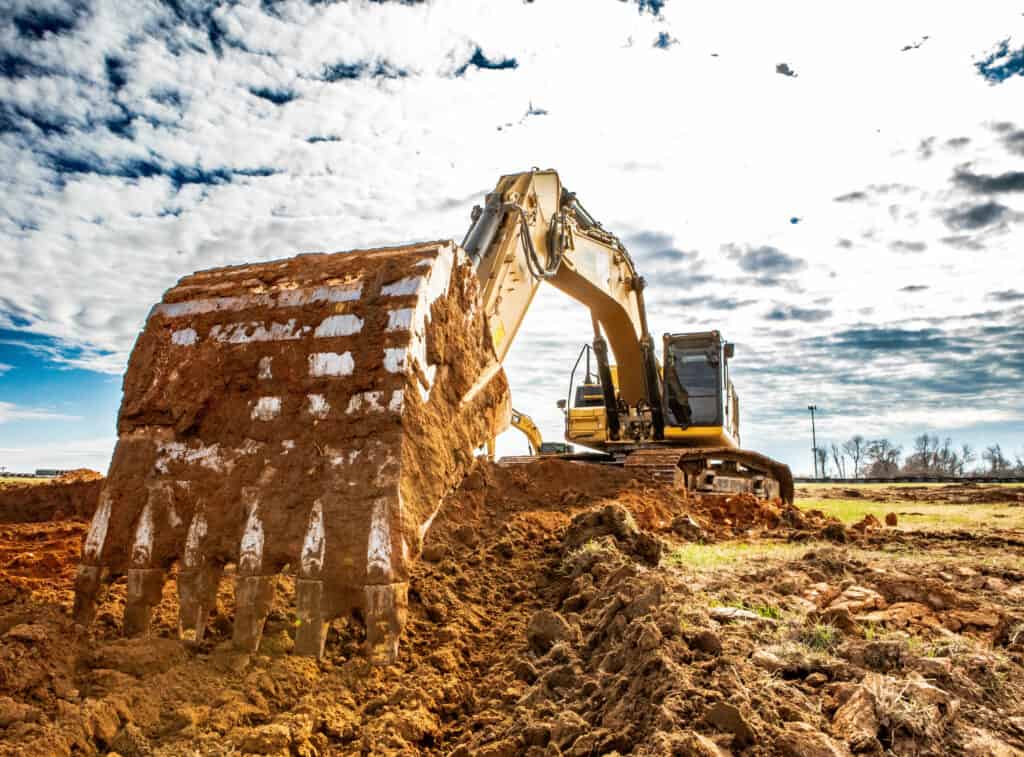
Earthwork Vs. Site Services: Which Does Your Project Need?
When planning any construction project, one of the first decisions you’ll face is whether your…

How Deep Should A Manhole Be?
Most people walk or drive over the heavy metal lids in our roads and sidewalks…

How Wide Should A Sidewalk Be? Standard Measurements Explained
Most pedestrians do not spend their time thinking about the engineering behind a pavement, but…
 Understanding Construction Site Preparation
Leave a Reply