Heavy traffic and shifting soil pressure push buried pipe systems to their limits across the country. Strong structural support keeps these essential networks operating for decades without major failure.
Precast concrete manholes form a dependable barrier against chemical corrosion and heavy surface loads from passing vehicles. This material creates a permanent framework that supports the pipes serving modern cities every day.
Ground Zero Construction, Inc manages every detail of your build with extreme speed and precision. We operate as a premier Arkansas commercial construction company to deliver top results for every project. Our team meets every deadline with ease.
Why Concrete Is Preferred Over Other Materials
Concrete remains the leading choice for underground utility protection because it performs reliably under extreme pressure. Its density and lifespan surpass plastic and brick alternatives.
- Durability of Concrete Manholes for Underground Utilities
Harsh chemicals in sewage and groundwater cannot easily penetrate the thick walls of precast concrete manholes. The material continues to harden over time and withstands constant exposure to flowing water.
Rigid walls maintain their position even when the surrounding soil shifts during heavy rain or seasonal freezes. Proper installation creates a stable structure that protects essential utility lines for generations.
- Concrete Manholes and Long-Term Cost Efficiency
Production costs remain competitive because local facilities manufacture these units in standardized molds and large quantities. Minimal repair requirements reduce total lifetime expenses. Infrastructure budgets stay controlled when systems do not demand frequent patching or premature replacement.
Skilled installation prevents the costly failures often associated with weaker materials used in lower-grade utility systems.
- Structural Strength and Load-Bearing Capacity of Concrete
Deep burial conditions require a structure that will not crack under saturated soil and heavy rock. Concrete supports the weight of cars and trucks without relying on surrounding soil for reinforcement. This independent strength preserves interior workspace for technicians who perform inspections and maintenance.
Precision engineering produces a vault that resists the immense pressure of the earth. Specialized expertise in structural construction results in systems capable of surviving severe environmental stress.
The Manufacturing Process of Concrete Manholes
Controlled factory environments allow crews to pour liquid concrete into steel molds for consistent shaping. Vibration equipment removes trapped air to create dense walls that resist leakage and cracking.
Reinforced steel cages sit inside each mold to strengthen the finished base. Steam curing accelerates the hardening phase so units reach the required strength before shipment. Experienced technicians monitor material ratios to meet strict engineering specifications.
Installation Process for Concrete Manholes
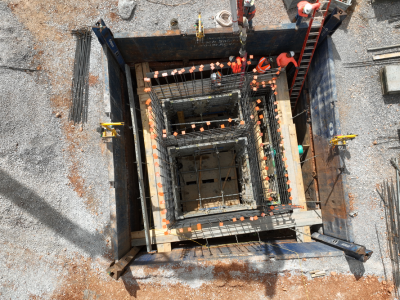
Cranes position each precast section into a carefully graded trench set over crushed stone. Engineered gaskets seal the joints between sections to prevent infiltration or leakage. Crews place backfill material in compacted layers to distribute soil pressure evenly around the structure. Accurate alignment with connecting utility lines supports smooth water flow and reduces the risk of blockages.
Maintenance and Repair of Concrete Manholes
Routine inspections identify minor concerns before they escalate into major structural issues. Maintenance teams use high-pressure cleaning to remove debris and examine joints for wear. Small surface defects can be corrected with mortar repairs, while interior liners restore aging structures.
Comparing Concrete Manholes to Other Utility Structures
Plastic structures may float or deform when groundwater rises rapidly during heavy storms. Brick systems demand extensive manual labor and longer installation times, increasing the potential for inconsistencies. Precast concrete manholes arrive ready for placement and remain stable due to their substantial weight. Engineers rely on this stability when designing infrastructure intended to last a century or more.
Industry Standards for Concrete Manholes
Federal and state regulations define required wall thickness and reinforcement for units installed beneath public roadways. These standards protect communities from sinkholes and unexpected surface failures. Engineers conduct load testing on production batches to confirm resistance to deep soil pressure.
Compliance with these guidelines keeps underground infrastructure secure for both the public and maintenance personnel. Strict adherence to safety codes results in durable systems built to withstand demanding structural conditions.
Get Top Utility Support From Ground Zero Construction, Inc Today
Ground Zero Construction, Inc moves earth with speed and precision to clear the way for your next big project. Our team brings 26 years of experience to every job site to handle earthwork and asphalt needs. We work as premier excavation contractors in Arkansas to keep your timeline on track from start to finish. Our direct communication style removes the middleman, so you talk to management every single time. We utilize advanced technology to offer site excavation solutions that save time and money for every partner.
As a TERO-certified firm, we follow OSHA and MSHA rules to keep every worker safe while we build. Ground Zero Construction, Inc delivers excellence in site development and utility placement for results that stay firm for decades.
Related Blogs
Types Of Underground Utilities And How They Impact Site Planning
Buried infrastructure serves as the unseen framework of every successful construction site and influences the…
Pavement Vs. Sidewalk: Understanding Their Roles And Uses
A solid surface carries weight and keeps travel paths clear of dirt or mud. Solid…
How To Estimate Excavation And Backfill For Commercial Projects
Large construction sites depend on precise earthmoving to remain profitable and safe. Accurate calculations determine…
Earthwork Vs. Site Services: Which Does Your Project Need?
When planning any construction project, one of the first decisions you’ll face is whether your…

How Deep Should A Manhole Be?
Most people walk or drive over the heavy metal lids in our roads and sidewalks…

How Wide Should A Sidewalk Be? Standard Measurements Explained
Most pedestrians do not spend their time thinking about the engineering behind a pavement, but…
 Types Of Underground Utilities And How They Impact Site Planning
Leave a Reply