Quick Summary
Excavation timelines vary based on site size, soil conditions, weather, underground utilities, permitting, and project complexity. Careful planning, accurate site preparation, and experienced operators help reduce delays while keeping commercial and residential construction projects moving safely and efficiently from the ground up.
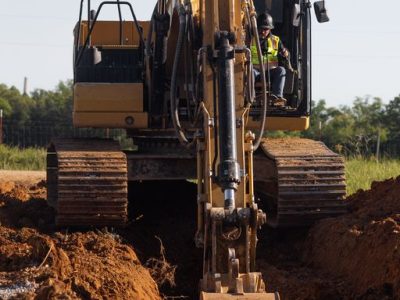
Every successful construction project starts with proper site preparation. One of the first questions property owners, developers, and contractors ask is how long does excavation take. While every project is different, the timeline depends on several factors, including site size, soil conditions, weather, utility locations, and the overall scope of work.
Professional excavation services help keep projects on schedule by using the right equipment, experienced operators, and detailed planning from the beginning.
What Happens During Site Excavation?
Excavation involves much more than digging dirt. It prepares the land so construction can begin safely and according to engineering plans.
Depending on the project, excavation may include:
- Clearing trees, brush, and debris
- Removing unsuitable soil
- Grading the site
- Digging foundations
- Installing drainage features
- Preparing utility trenches
- Creating building pads
- Balancing soil across the site
Each step must be completed correctly before foundations, utilities, or pavement can be installed.
Factors That Affect Excavation Time
Several variables influence how quickly excavation crews can complete a project.
Site Size
Larger properties naturally require more time. Excavating several acres takes considerably longer than preparing a small commercial lot.
Soil Conditions
Not all soil is easy to excavate. Contractors may encounter:
- Clay soils
- Loose sand
- Dense gravel
- Hard shale
- Large rock formations
- Poor fill material
Rock excavation often requires specialized equipment or controlled breaking methods that increase project duration.
Weather Conditions
Weather plays a major role in excavation schedules.
Heavy rain can:
- Saturate soil
- Reduce equipment mobility
- Create unsafe working conditions
- Delay grading
- Affect soil compaction
Extremely dry conditions may also create dust control challenges that require additional measures before work continues.
Existing Utilities
Underground utilities are one of the biggest factors affecting excavation timelines.
Before digging begins, contractors locate:
- Water lines
- Sewer systems
- Gas lines
- Electric service
- Telecommunications
- Fiber optic cables
Unexpected utility conflicts may require redesigns or coordination with utility providers, adding time to the project.
Permit Requirements
Some excavation projects require permits before work begins.
Depending on the location, approvals may involve:
- Local municipalities
- Utility providers
- Environmental agencies
- Stormwater management authorities
Obtaining permits before mobilization helps avoid unnecessary delays once construction starts.
Equipment Makes a Difference
Modern equipment significantly improves excavation efficiency.
Today’s contractors use:
- GPS machine control
- Hydraulic excavators
- Bulldozers
- Motor graders
- Wheel loaders
- Compaction equipment
Advanced technology allows operators to achieve accurate grades while reducing unnecessary rework.
The Importance of Site Surveys
Before excavation begins, surveyors establish property boundaries, elevations, and construction benchmarks.
Accurate surveys help contractors:
- Maintain proper grading
- Avoid boundary disputes
- Build according to engineering plans
- Improve drainage performance
Even small grading errors can create expensive corrections later in the construction process.
Unexpected Site Conditions
Even with detailed planning, excavation sometimes uncovers unexpected challenges.
Examples include:
- Buried debris
- Old foundations
- Underground storage tanks
- Poor soil conditions
- Unmarked utilities
- Groundwater
When these issues arise, contractors work with engineers and project owners to determine the safest and most practical solution before continuing construction.
Why Planning Speeds Up Excavation
Many excavation delays occur before equipment even arrives on site.
Proper planning includes:
- Reviewing engineering drawings
- Scheduling utility locates
- Coordinating subcontractors
- Verifying permits
- Planning equipment deliveries
- Organizing material hauling
Careful planning reduces downtime and helps construction crews move efficiently from one phase to the next.
Working With an Experienced Excavation Contractor
Excavation serves as the foundation for every phase of construction that follows. Mistakes made during site preparation can affect drainage, utilities, foundations, pavement, and overall project performance.
Experienced contractors understand how to:
- Read grading plans accurately
- Manage changing site conditions
- Coordinate multiple construction activities
- Maintain project schedules
- Operate safely around existing utilities
Start Your Excavation Project With Confidence
Choosing the right excavation contractor helps set the stage for a successful construction project. From careful planning to precise grading and efficient earthmoving, experienced professionals can keep your project moving while minimizing unexpected delays.
Ground Zero Construction delivers dependable excavation, site development, utilities, concrete, and asphalt services throughout Northwest Arkansas.
Contact our team today to discuss your project and learn how experienced excavation services can help prepare your site for successful construction.






 How To Prepare The Ground For Asphalt Paving
Leave a Reply